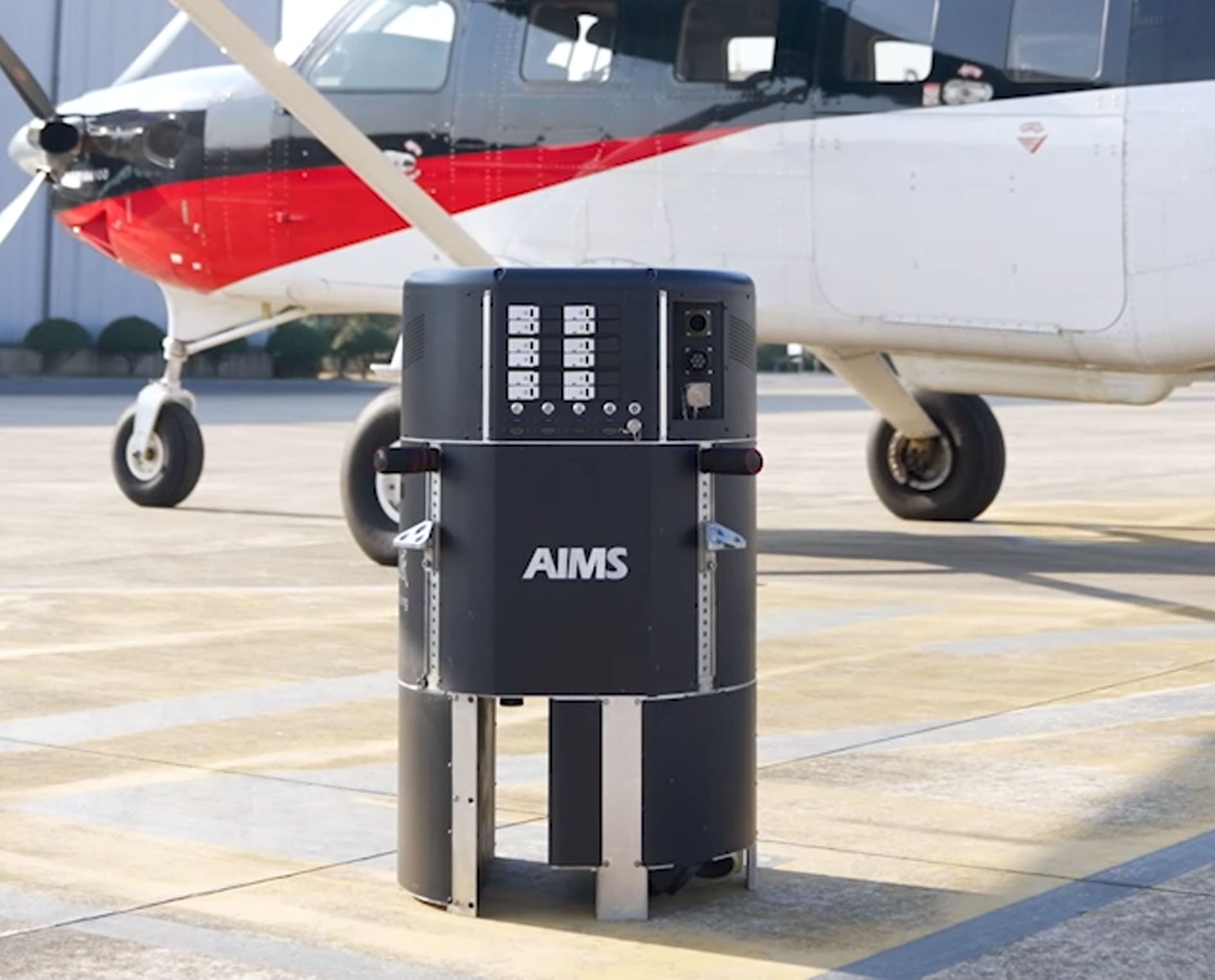
 AIMS
AIMS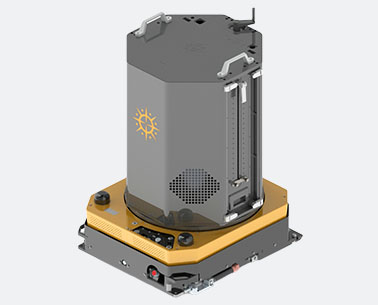 AIMS-H Long Focus
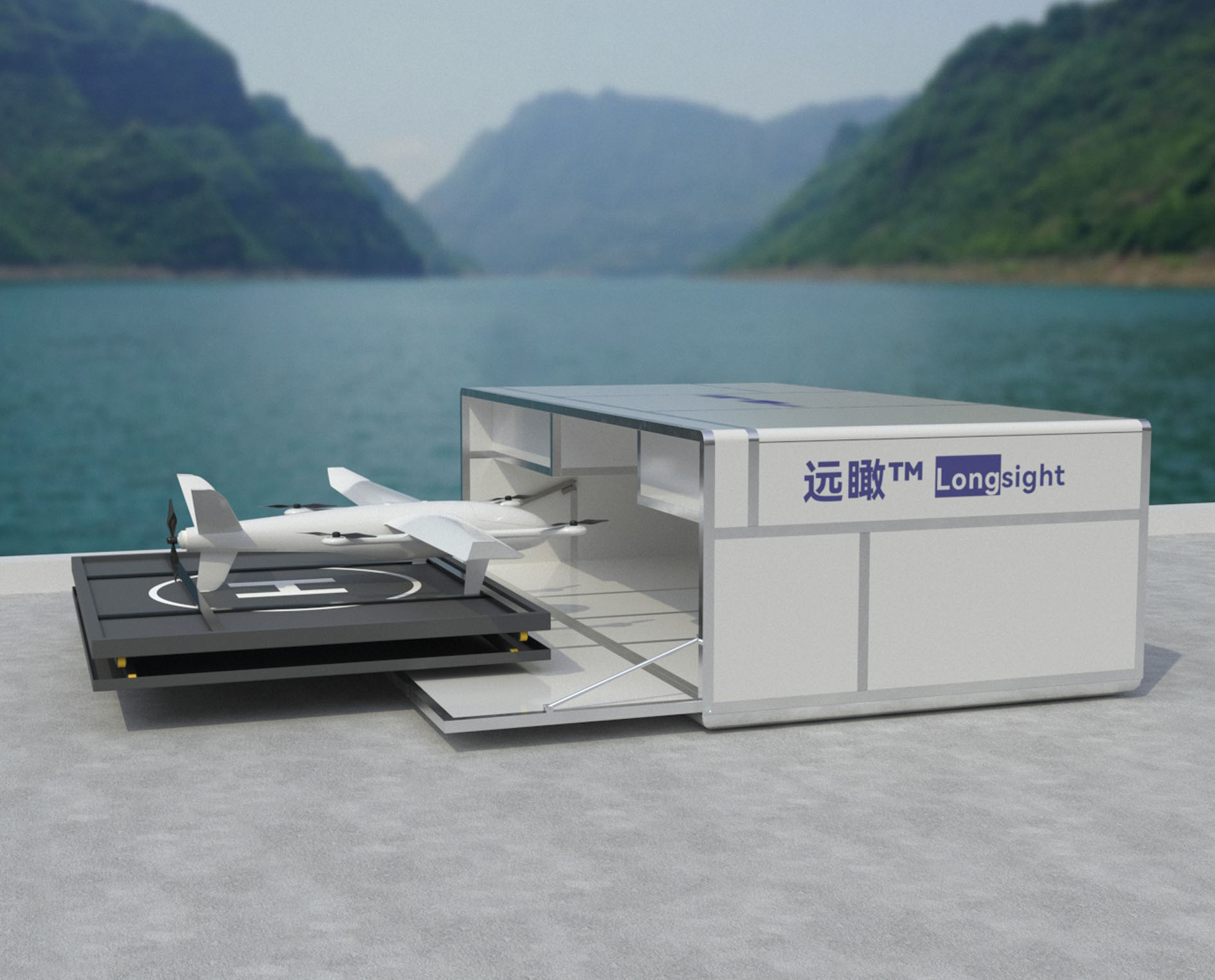 Farsightâ„¢ System
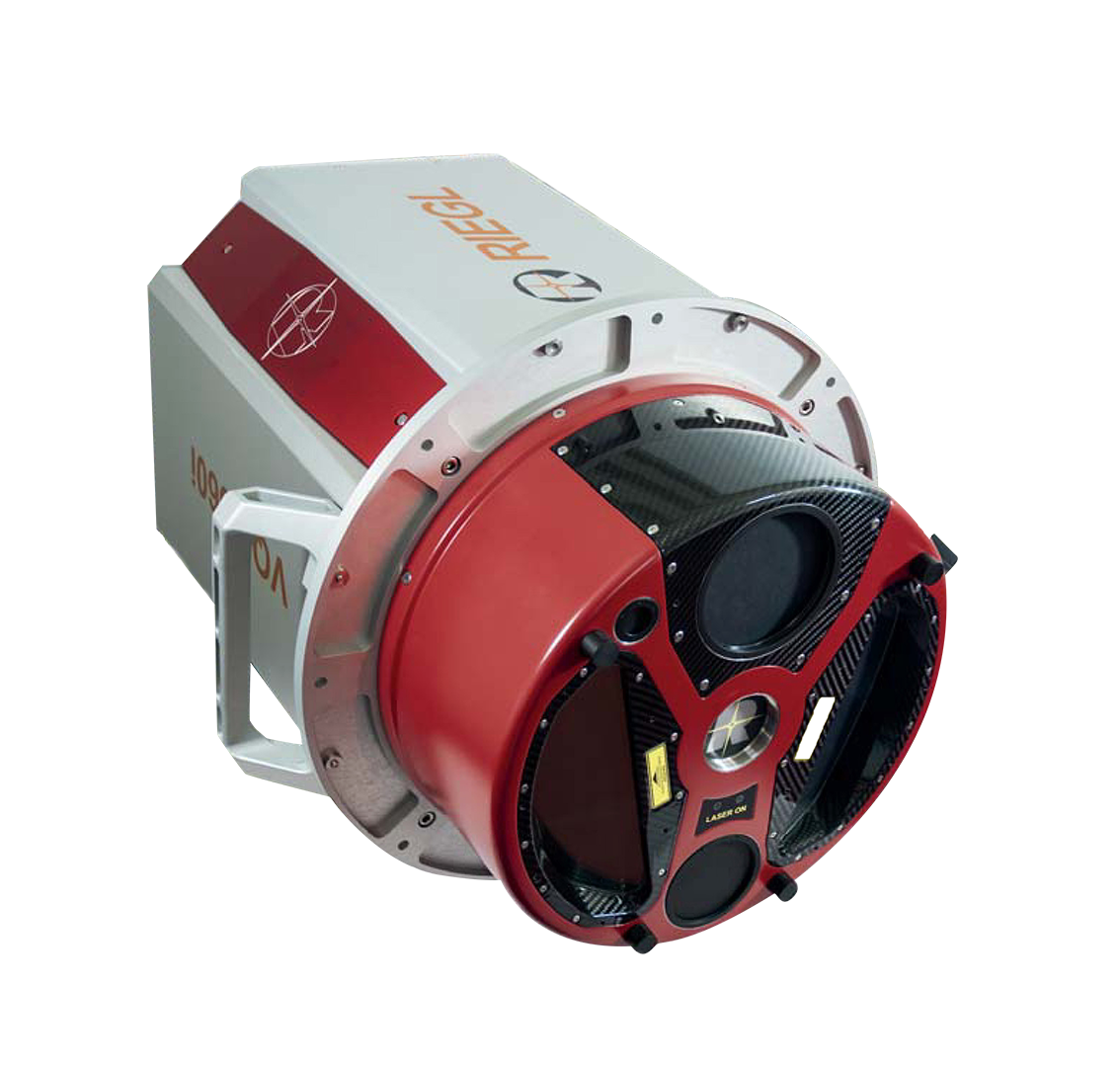
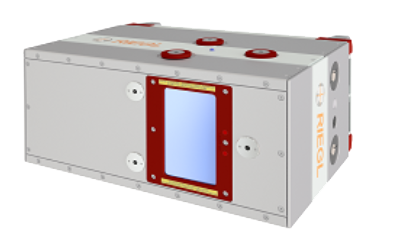
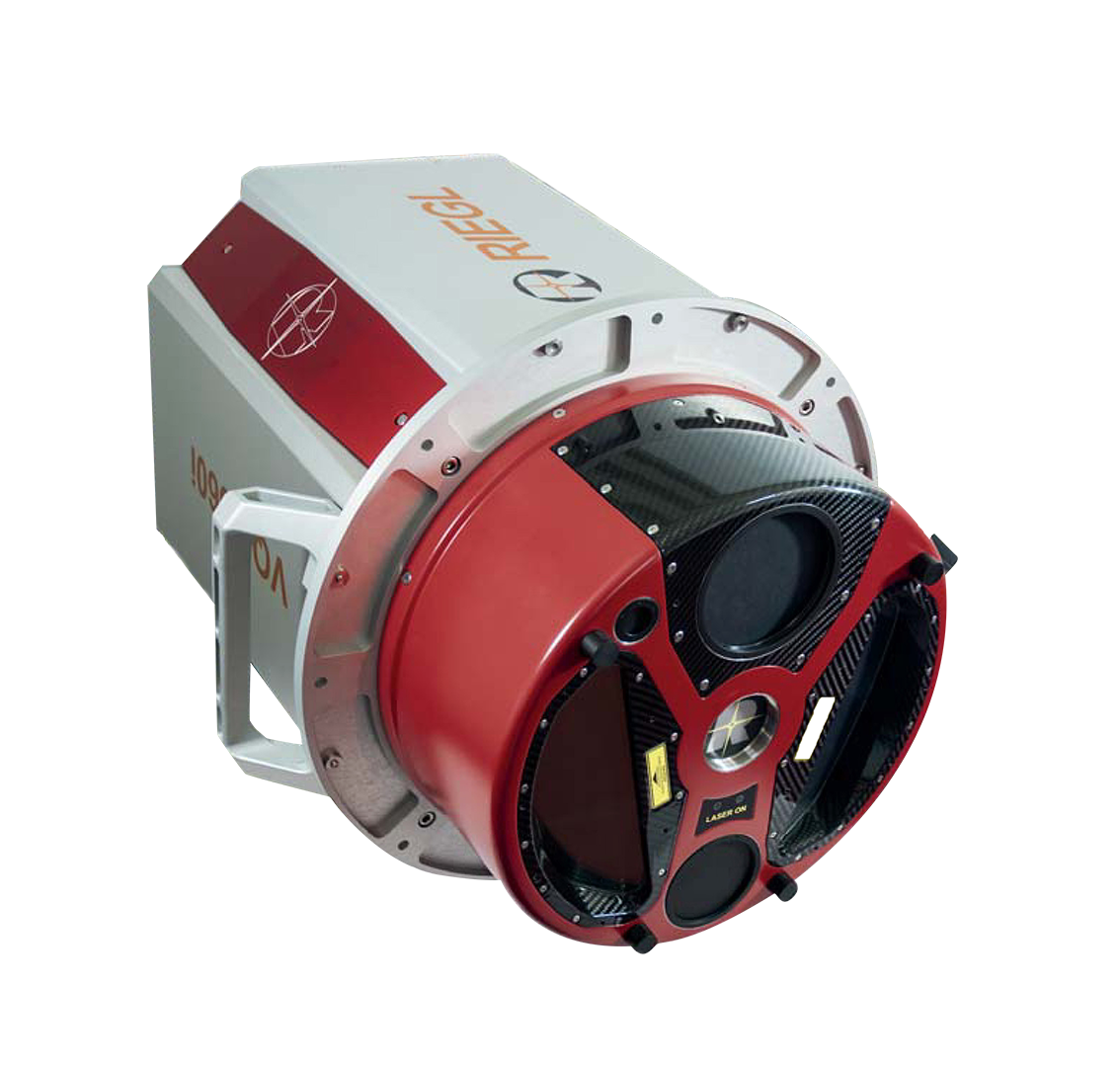
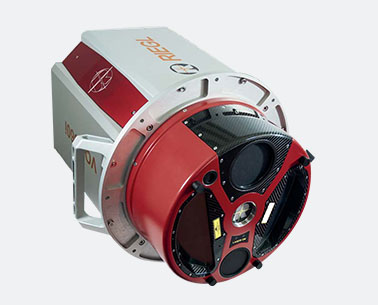 Riegl VQ-1560i
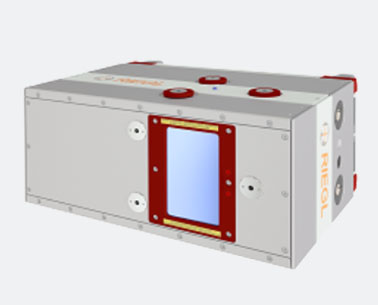 Riegl VQ-780II
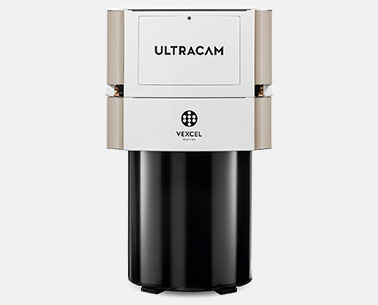 UltraCam Eagle M3
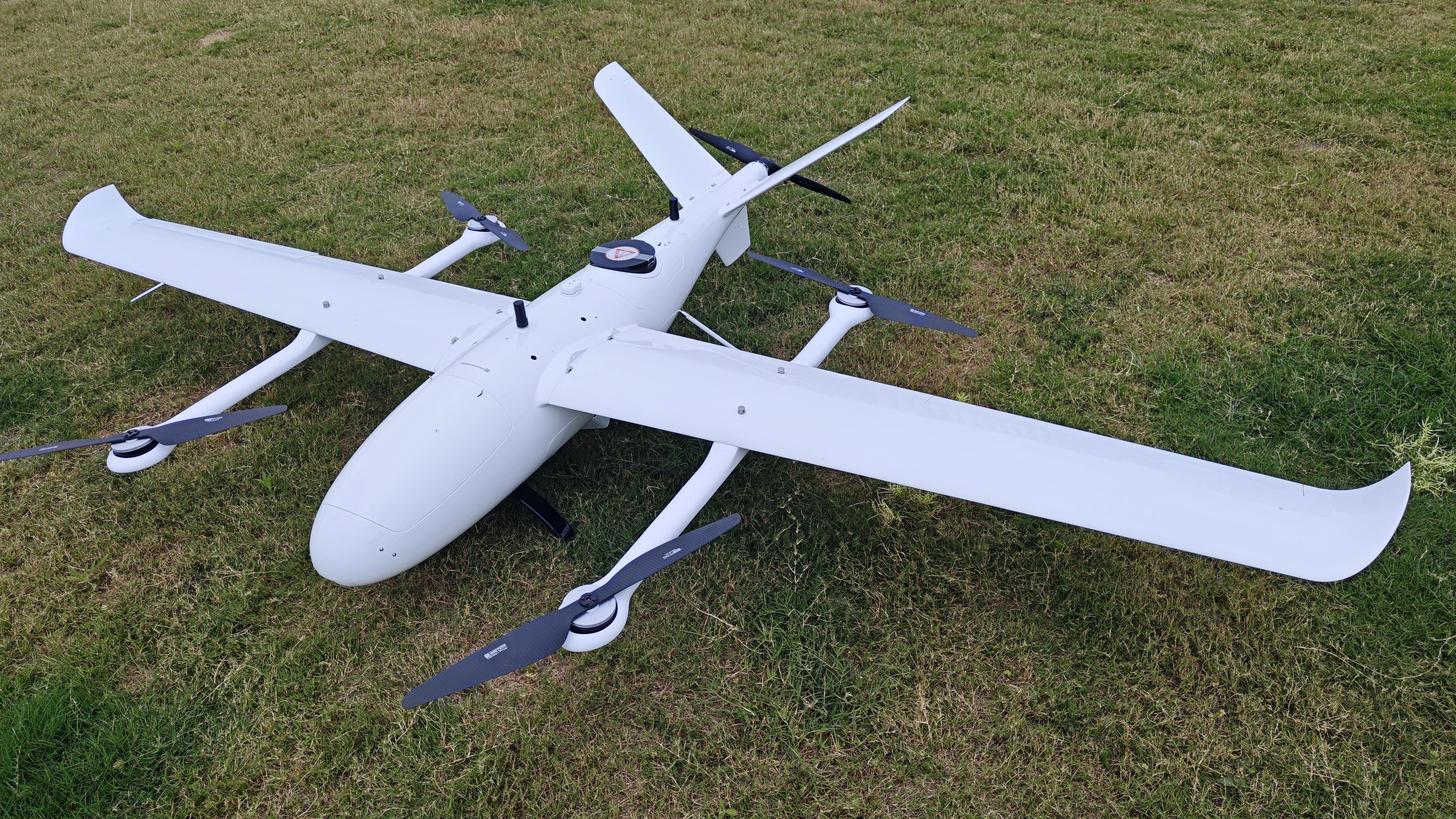
 Y-1 VTOL UAV
 Aerial Acquisition
 UAV Acquisition
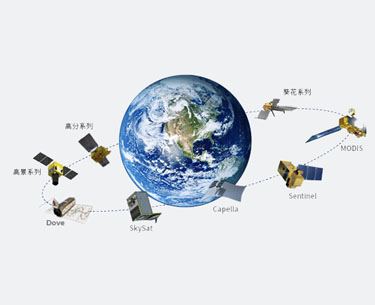 Satellite Acquisition
 Field Acquisition
 Integrated
 LiDAR
LiDAR Orthophoto
 DEM
DEM DTM/DSM
 3D Mapping
 Topographic
 Infrared
 Feature Extraction
 BIM
BIM Transportation
 Water
Water power
power 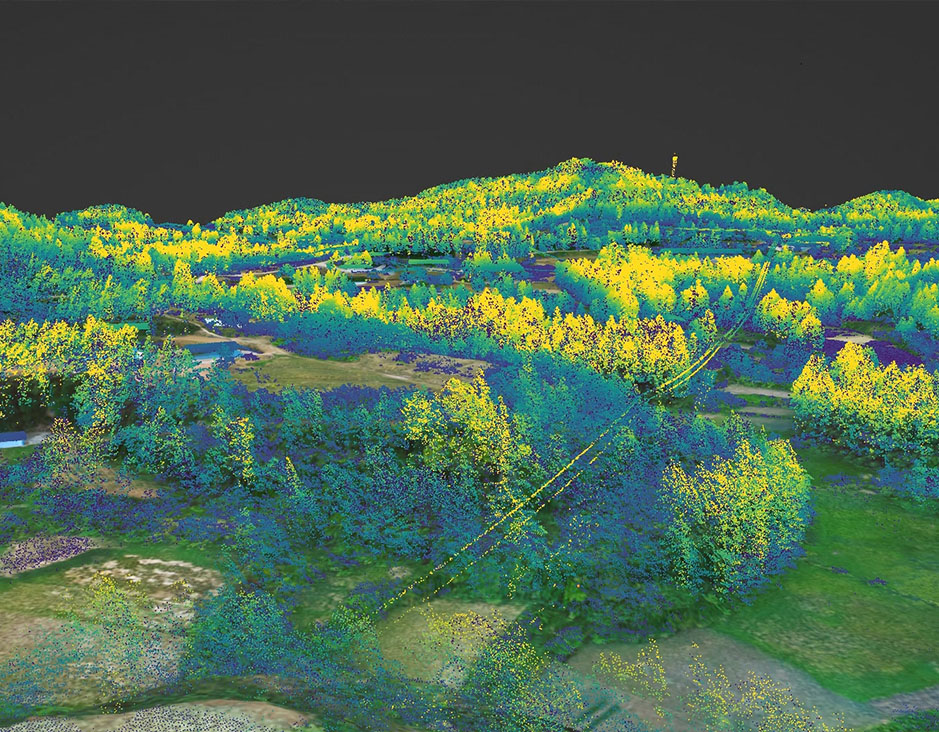 Forestry
 Agriculture
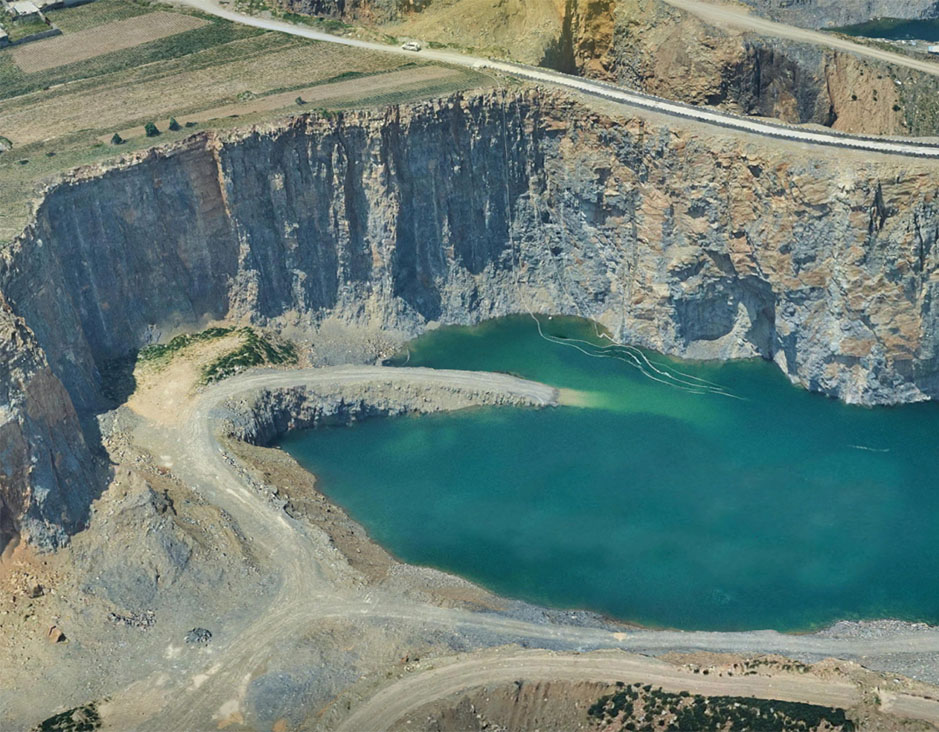 Mines & Quarries
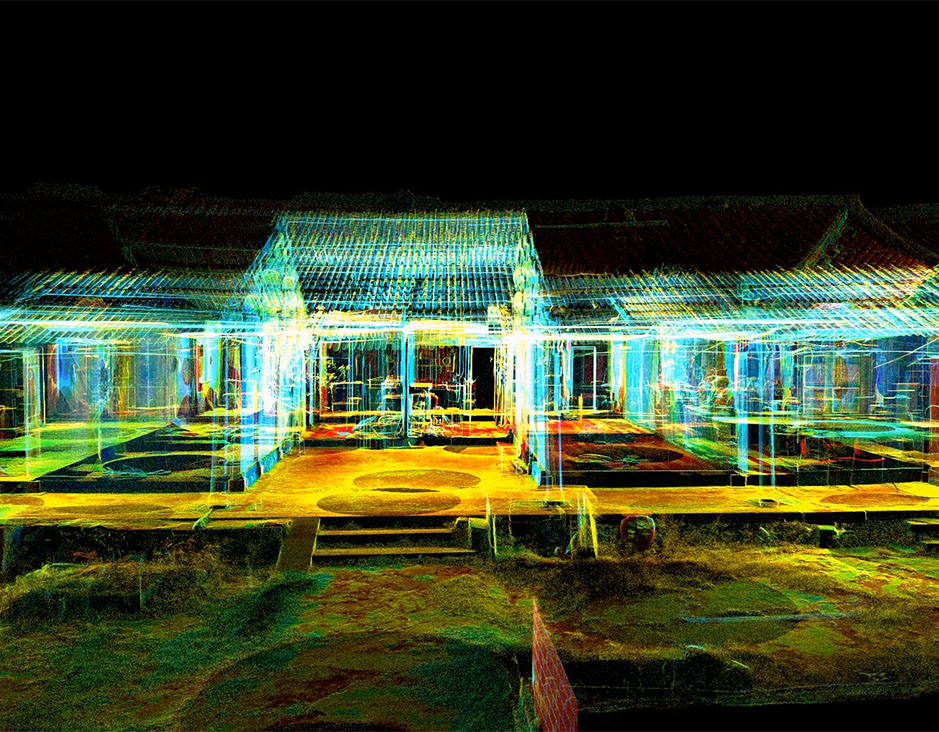 Heritage Buildings
 About feiyan
 Recognition
 Cases
Cases

search


LiDAR
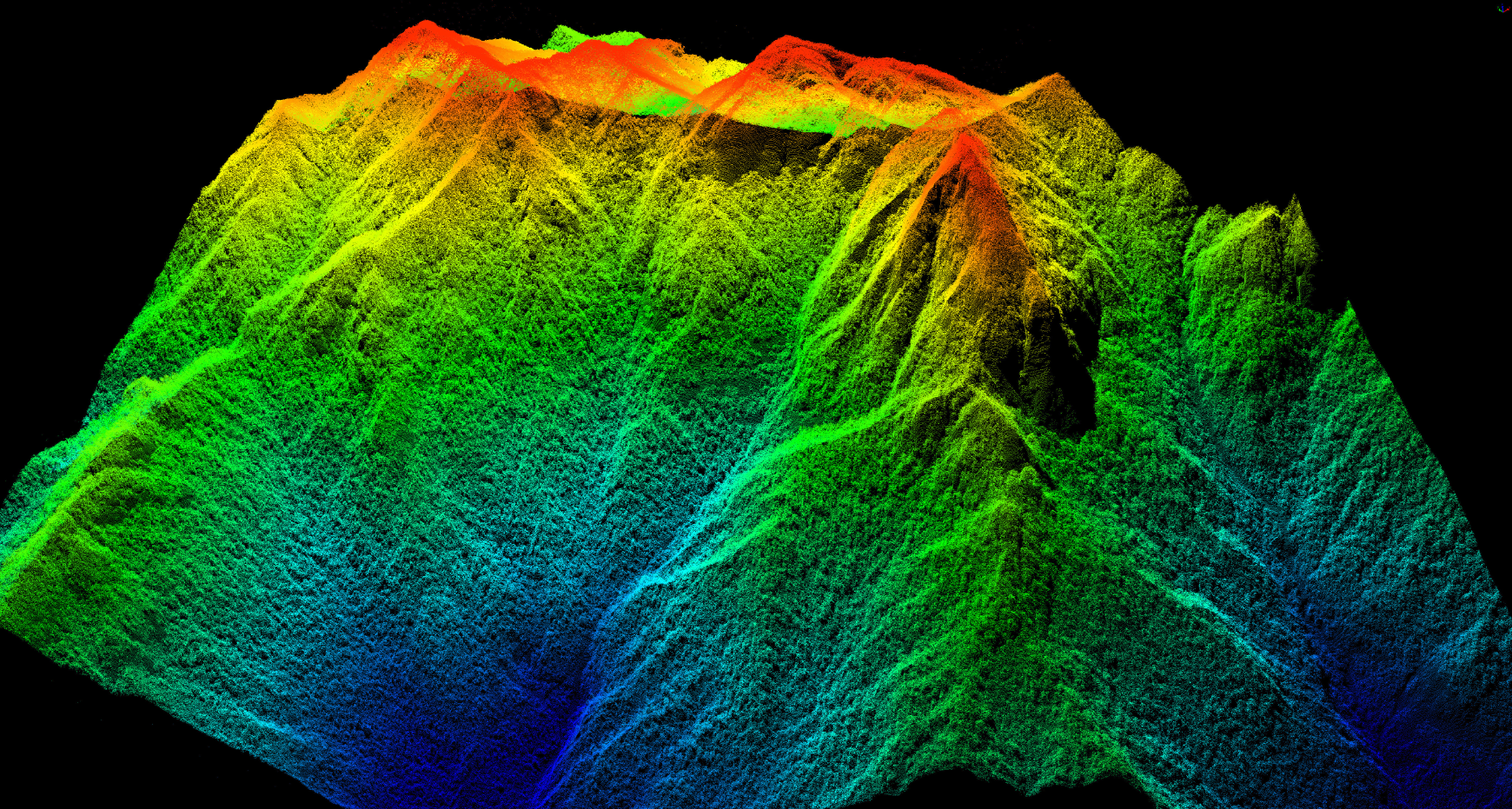
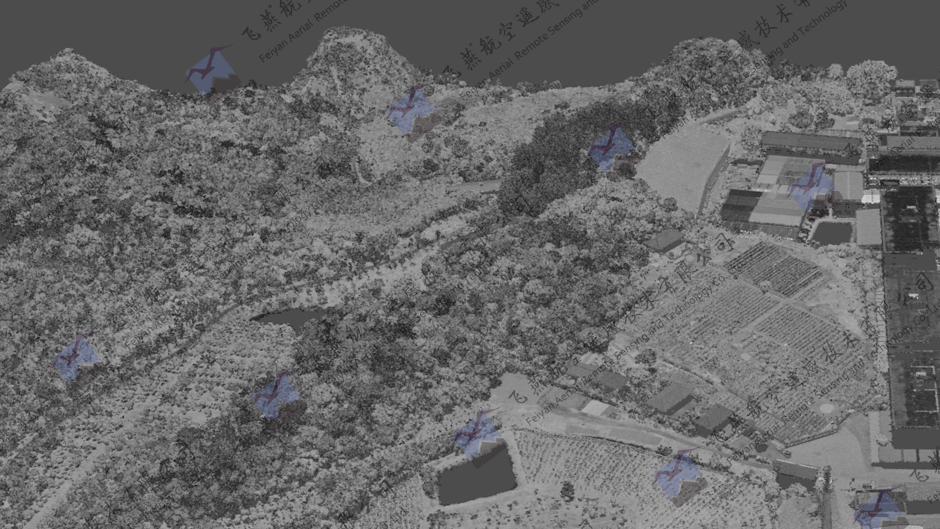
Laser scanning allows spatial measurements thanks to capturing of a laser beam reflection. This method gives us information on the structure and 3D position of registered objects. The resulting point cloud can have varied density (from several up to several dozens points/m²). Each point is rectified to a system of geodetic coordinates and then classified according to client’s desired schema. The final product may be a point cloud, DTM, DSM, 3D model or visualisation. ALS helps when you need to know the size and shape of an object or to see and model surfaces under tree canopy.
LiDAR Spatial Data Analysis
Feiyan Technology focus on offerring high efficient LiDAR data processing service with Lidar aerial photography and other data. Lidar, which stands for Light Detection and Ranging, is a remote sensing method that we use light in the form of a pulsed laser to measure variable distances ranges to the Earth. These light pulses-combined with other data recorded by the airborne system-generate precise, 3D information about the shape and surface characteristics of the Earth.
A LiDAR instrument principally consists of a laser, a scanner, and a specialized GPS receiver. Airplanes and helicopters are the most commonly used platforms for acquiring lidar data over broad areas. Two types of lidar are topographic and bathymetric. Topographic lidar typically uses a near-infrared laser to map the land, while bathymetric lidar uses water-penetrating green light to also measure seafloor and riverbed elevations.
After the LiDAR mapping is done, we start spatial data analysis and processing with self-developed processing software and high processing accuracy.
Specification of LiDAR Spatial Data Analysis
Resolution: ≥0.25 points/m2, >0.2m
Project area: 17,500km²
Duration: 3 months
Output: Classified point cloud, DEM(1:10000)
Application: National aerospace remote sensing image
From: National Geographic Information Center & Henan Provincial Bureau of Surveying, Mapping and Geographic Information

LiDAR Aerial Photography Processing
Using a LiDAR surveying and Lidar mapping service needs to obtain a certain position and coordinate information of the laser, which can be obtained by using GPS technology, and then calculate the geodetic coordinates of each laser point.
The density of laser point cloud data is relatively high and the accuracy is very large. These data can directly examine the three-dimensional coordinate characteristics of laser points and effectively establish a digital elevation model. The laser point cloud data itself is also the most important data product of lidar mapping technology.
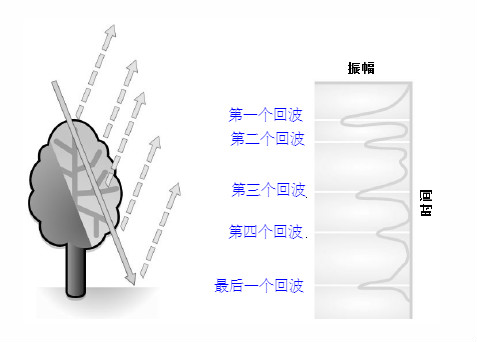
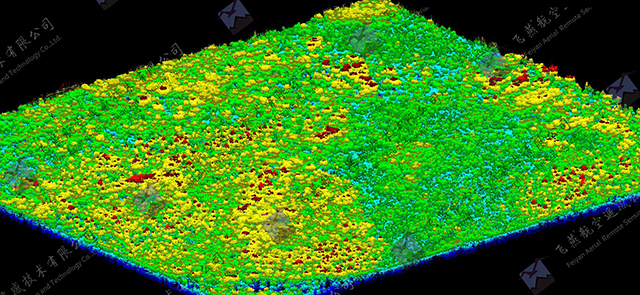
For example, the airborne lidar measurement system for forests can simultaneously obtain topographic information and tree height information at the bottom of the tree canopy, analyze and classify vegetation, calculate tree height, tree species and wood volume, and dynamically monitor the growth of plants and extract forests. The real DEM in the area; in the water conservancy department, it is used for flood analysis, ecological assessment, shipping scheduling, water management and other applications.
LiDAR Spatial Data Analysis
LiDAR spatial data analysis involves processing and interpreting the data collected by LiDAR sensors to create highly accurate and detailed 3D models of the Earth's surface. This data can be used to generate topographic maps, detect changes in terrain, measure vegetation, identify and analyze landforms, and more.
Some common applications of LiDAR spatial data analysis include flood mapping, forest inventory, archaeological site detection and mapping, land use planning, and urban infrastructure planning.
The analysis of LiDAR data often involves specialized software tools and techniques, such as point cloud processing, surface modeling, and data visualization. With its high accuracy and precision, LiDAR spatial data analysis is becoming an increasingly important tool for researchers, planners, and decision-makers in a wide range of fields.
Application of LiDAR Spatial Data Analysis
Aerial LiDAR mapping services can be used not only for traditional photogrammetry purposes, but also for forestry, agriculture, digital water conservancy, urban 3D modeling, electricity, and etc..
Feiyan Aerial Remote Sensing has been the nation's largest independent geospatial data firm that provides geographic insights to many of the most influential projects in China. An industry leader in advanced mapping technology, Feiyan delivers the leading data processing quality with efficiency, while leveraging the most cutting-edge technologies for aerial data acquisitions, geospatial processing/analytics, and GIS visualization solutions. If you're interested in getting Lidar spatial data processing service we offer, please contact us for further information, and we would like to put forwards the best remote sensing solution to your project!




-
 Mar 18, 2022
Feiyan Invested 20 Million For Airborne LiDAR Measurement
Feiyan invested 20 million to introduce airborne LiDAR measurement, which once again laid the foundation for the hardware strength of feiyan in the industry. More > -
Mar 22, 2022
What is LiDAR point cloud data?
LiDAR (laser detection and ranging) is an optical Remote sensing technology which mainly USES the laser as the emitting light source and adopts the active Remote sensing equipment of photoelectric detection technology. Primarily used in airborne laser mapping applications, it is increasingly becoming a cost-effective alternative to traditional measurement techniques such as photogrammetry. More > -
Mar 22, 2022
The Riegl Vq-1560i Airborne Laser Lidar Lived up to Expectations
The ninth China surveying and mapping geographic information technology equipment expo has been successfully concluded. More > -
Mar 22, 2022
Lidar Forest Survey, Incomparable Advantages
In recent years, LiDAR forest survey has attracted more and more people's attention. However, the hotter this new technology is, the more it needs to be understood from all aspects calmly. More > -
Mar 22, 2022
Lidar Is a Key Technology Involved in Terrain Mapping
This question cannot be asked like that. Aerial photography must be sunny, but the altitude angle of the sun must be considered. More > -
Mar 22, 2022
LiDAR and Hyperspectral Remote Sensing Data Fusion Realize Complementary Advantages
With the continuous development and progress of earth observation technology, and the continuous diversification of means for obtaining spatial information, the use of a single means of spatial data resources has been difficult to meet people's information needs. Lidar and hyperspectral Remote sensing, as two common Remote sensing methods, have different characteristics: Lidar can quickly, efficiently and accurately obtain three-dimensional spatial data of features, and hyperspectral images can well characterize the spectral information of features , Reflecting the characteristics of its features, materials, texture, etc. The fusion of these two kinds of data can achieve complementary advantages, maximize their respective characteristics, and achieve more accurate intelligent detection and identification of objects and higher-precision classification and extraction, which are widely used in forestry ecology, precision agriculture, environment Monitoring and other fields. More > -
Mar 22, 2022
What Are the Requirements for the Airborne Lidar Camera for the Acquisition of Lidar Point Cloud Data
In the effective altitude range, to ensure the lowest point cloud density, the laser radar maximum laser emission frequency To be higher. More > -
Mar 22, 2022
The Basics of LiDAR
LiDAR is an active Remote sensing system. An active system means that the system itself generates energy - in this case, light - to measure things on the ground. In a LiDAR system, light is emitted from a rapidly firing laser. You can imagine light quickly strobing from a laser light source. This light travels to the ground and reflects off of things like buildings and tree branches. The reflected light energy then returns to the LiDAR sensor where it is recorded. More > -
Mar 22, 2022
What Are the Different Uses of LiDAR Processing?
LiDAR (Light Detection and Ranging) technology and processing is used in a wide range of research and practical applications. With its ability to measure dimensions, distances, textures, and many other aspects of targeted subjects, LiDAR processing has become an increasingly important tool in geology, geography, surveying, agriculture, and forestry. Atmospheric sciences, archaeology, seismology, and geomatics also depend on data gathered using LIDAR processing for research, while physics and astronomy benefit from LiDAR's ability to create highly precise maps. More >