 AIMS
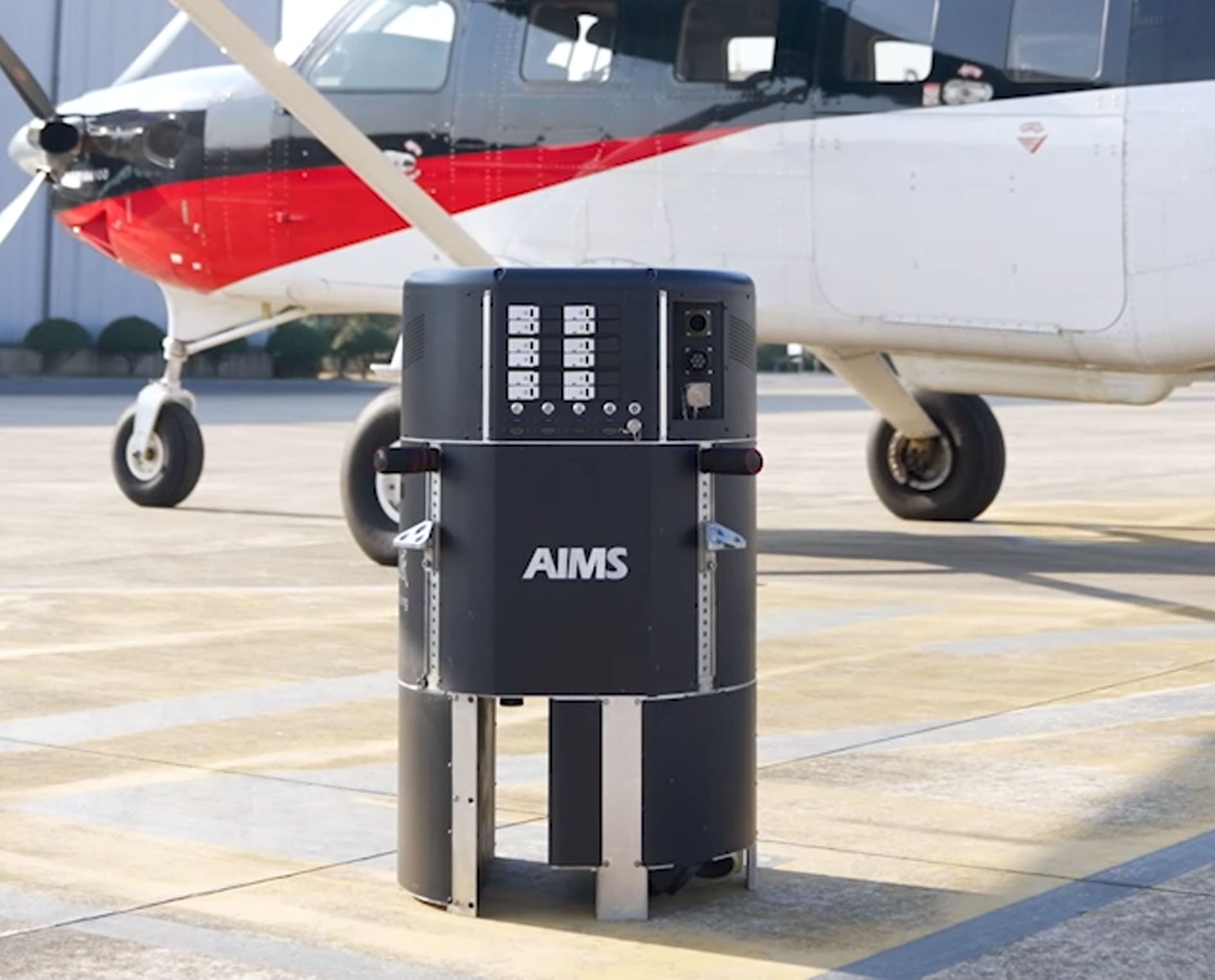
AIMS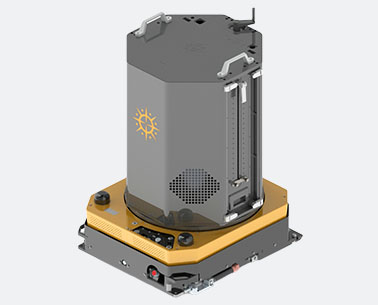 AIMS-H Long Focus
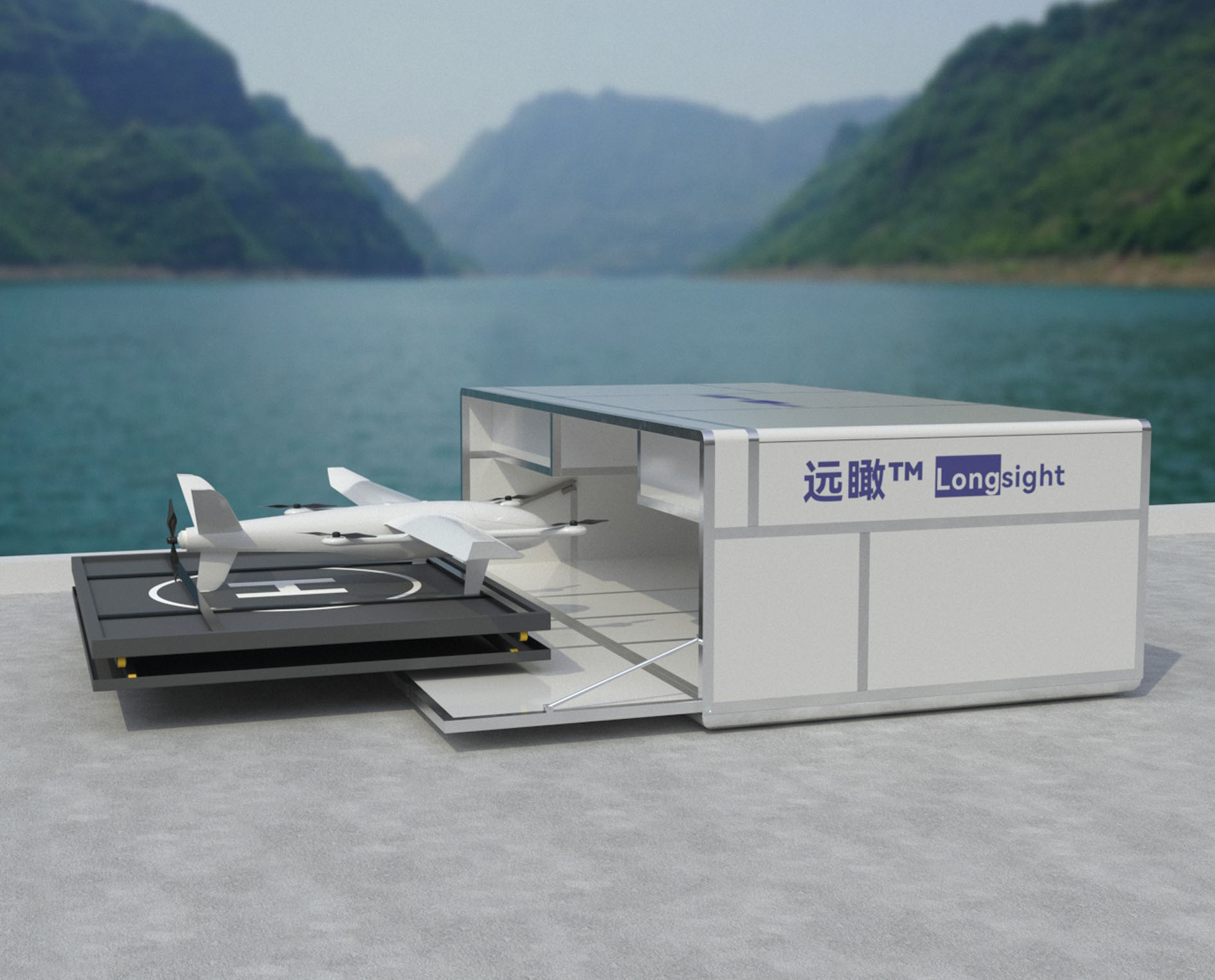 Farsightâ„¢ System
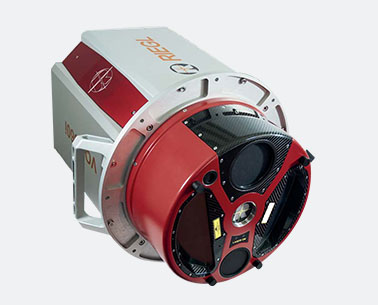 Riegl VQ-1560i
 Riegl VQ-780II
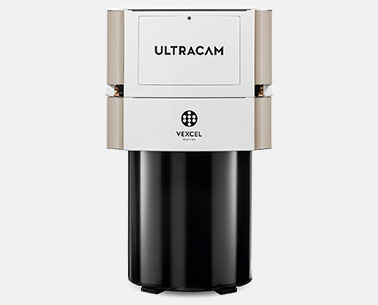 UltraCam Eagle M3
 Y-1 VTOL UAV
 Aerial Acquisition
 UAV Acquisition
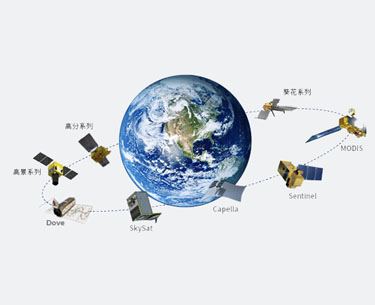 Satellite Acquisition
 Field Acquisition
 Integrated
 LiDAR
LiDAR Orthophoto
 DEM
DEM DTM/DSM
 3D Mapping
 Topographic
 Infrared
 Feature Extraction
 BIM
BIM Transportation
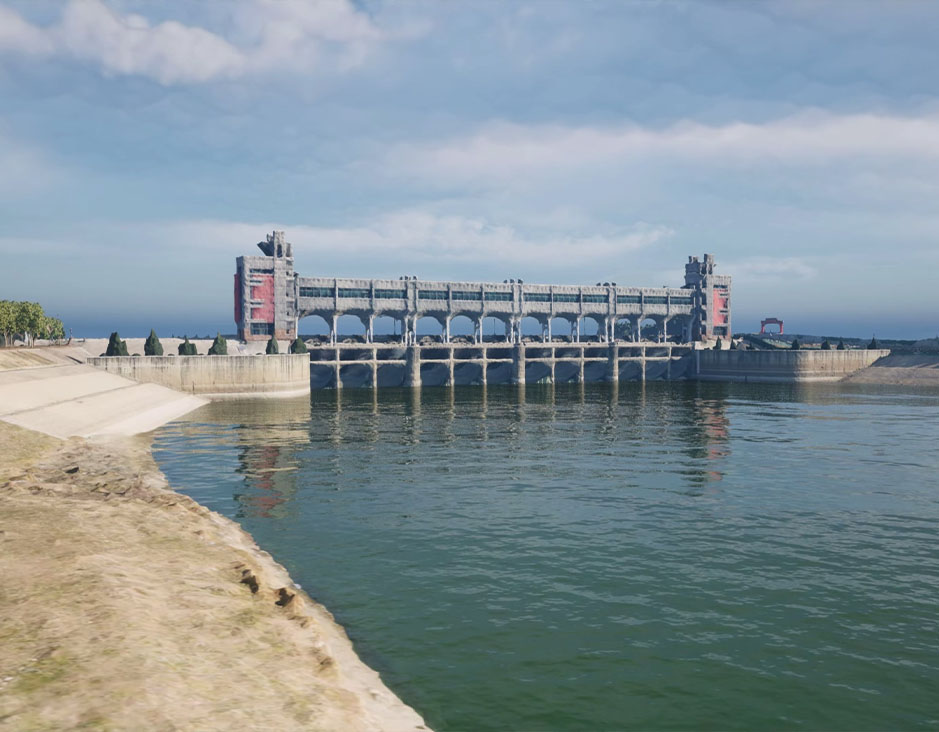 Water
Water power
power 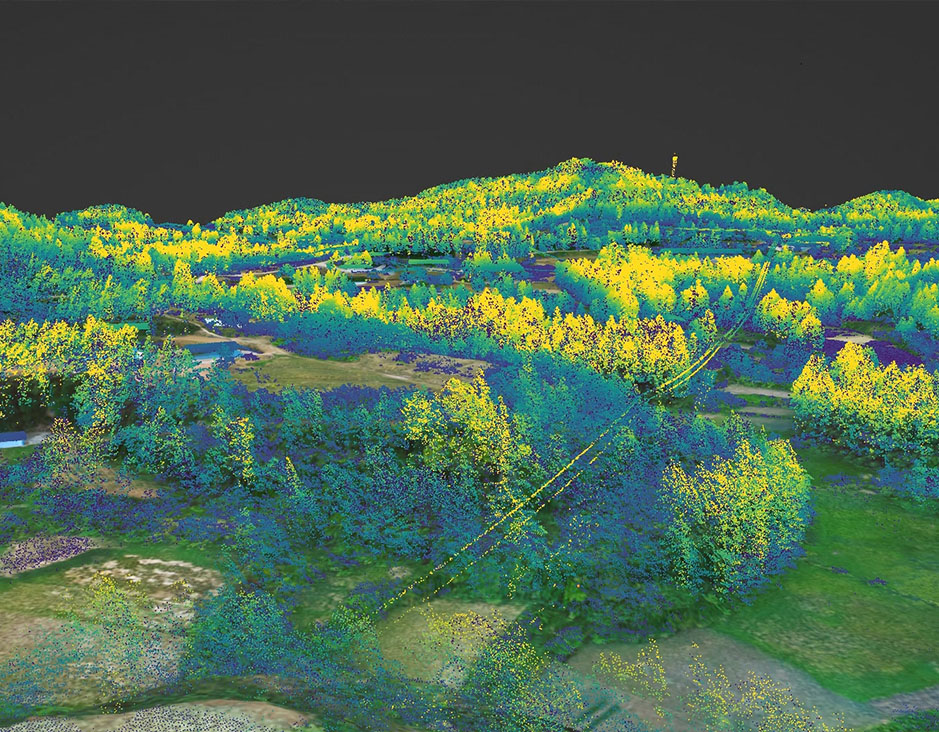 Forestry
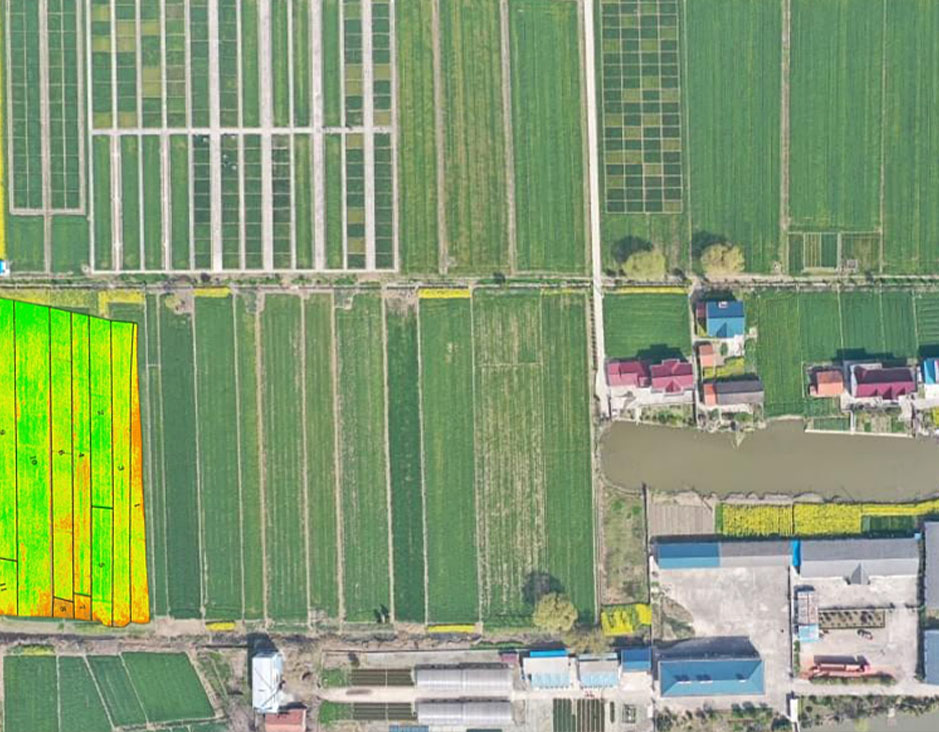 Agriculture
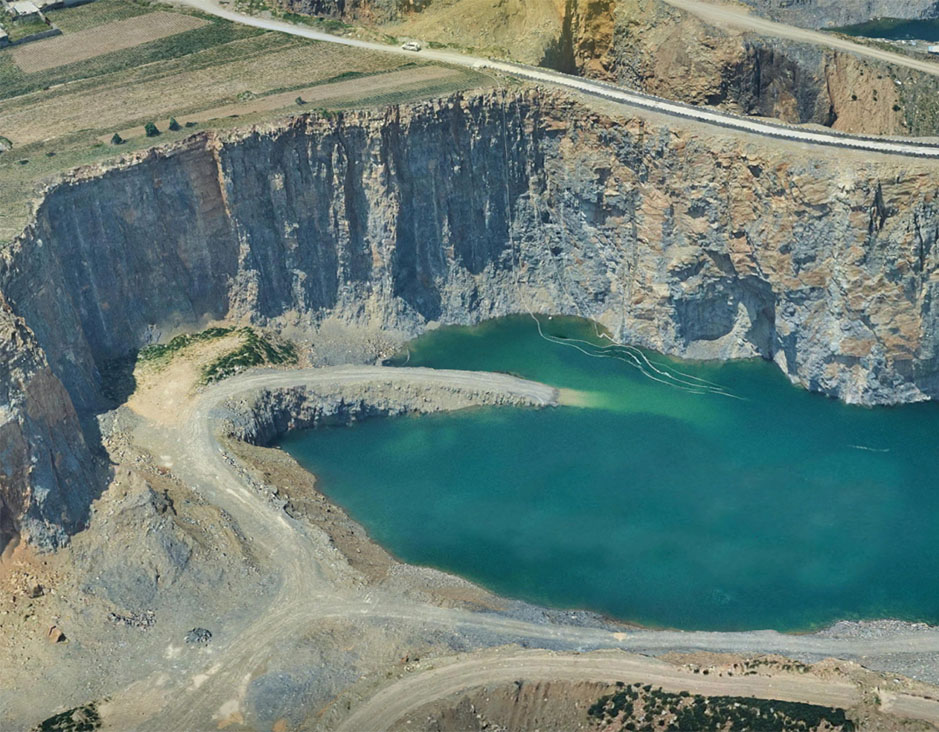 Mines & Quarries
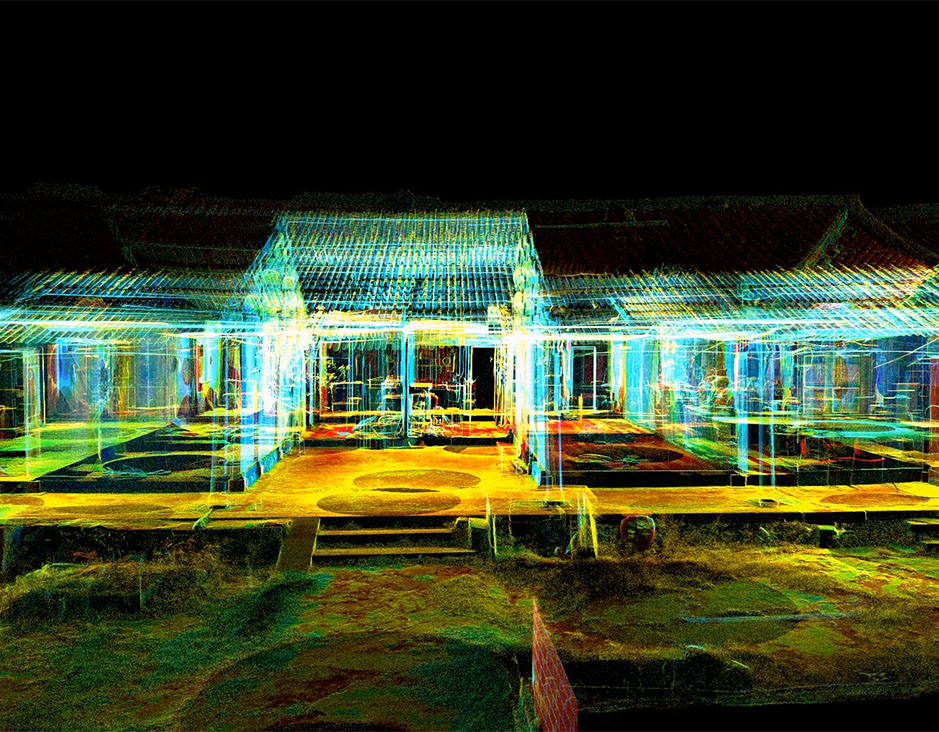 Heritage Buildings
 About feiyan
 Recognition
 Cases
Cases

search


Device

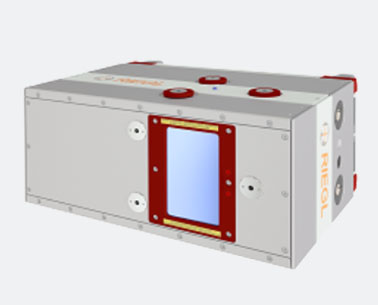
The RIEGL VQ-780II Airborne LiDAR
The RIEGL VQ-780II is a high-performance, lightweight airborne LiDAR scanner featuring advanced waveform-LiDAR technology. With a laser pulse rate up to 2 MHz and a measurement rate of 1.33 million points per second, it ensures efficient wide-area coverage and uniform point cloud distribution. Its 60° field of view and multi-target detection capability deliver precise data for complex terrain and infrastructure. Ideal for topographic mapping, corridor surveys, forestry management, urban 3D modeling, and disaster risk assessment, the VQ-780II offers reliable, high-quality data acquisition across diverse operational scenarios.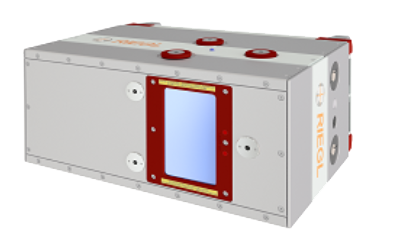
The RIEGL VQ-780II Airborne LiDAR, owned and operated by Feiyan Remote Sensing, is a high-performance, lightweight professional surveying device integrated with proven waveform-LiDAR technology. Designed specifically for low, medium, and high-altitude operation scenarios, it combines dual advantages of high-density point cloud collection and wide-area mapping. Featuring a high-speed rotating mirror design, it ensures uniform point cloud distribution across the entire field of view. Combined with industry-leading laser pulse repetition rate and multi-target detection technology, it efficiently delivers high-precision, information-rich measurement data.
Technical Specifications
Category | Parameter | EnglishSpecification |
Core Performance | Laser Pulse Repetition Rate | Up to 2 MHz |
Ground Measurement Rate | Up to 1.33 million measurements/sec | |
Multiple Target Detection | Multiple-Time-Around (MTA) processing, up to 45 pulses simultaneously | |
Effective Field of View (FOV) | 60° | |
Maximum Operational Efficiency | Up to 959 km²/h (varies with altitude and flight speed) | |
Point Density | Up to 29.46 pts/m² | |
Maximum Measurement Range | Up to 7100 m (at ≥ 60% target reflectivity) | |
Mechanical & Power | Weight | Approximately 20 kg |
Power Consumption | 18-32 V DC / 150 W | |
Environmental Adaptability | Operating Temperature Range | -20℃ ~ +55℃ (industrial-grade) |
Maximum Compatible Flight Speed | Up to 300 knots | |
Data Processing | Waveform Recording | Online waveform processing + full waveform storage |
Processing Acceleration | GPU-accelerated parallel computing | |
System Integration | Seamless integration with IMU, GNSS, and aerial cameras | |
Interface & Synchronization | Data Interface | 10/100/1000 Mbit/s TCP/IP Ethernet |
Synchronization Mode | GNSS time synchronization + 1 PPS input |
Core Advantages
Ultra-High Operational Efficiency:With a 2 MHz laser pulse repetition rate, 1.33 million measurements per second, and a maximum operational efficiency of 1090 km²/h, it significantly shortens the cycle of large-scale projects and helps Feiyan Remote Sensing improve service delivery speed.
Superior Data Quality:Advanced waveform processing technology and atmospheric clutter suppression generate clean, high-precision point clouds, reducing post-processing workload. Multi-target detection capability accurately captures complex terrain and ground object details, providing data integrity guarantee for Feiyan Remote Sensing's surveying services.
Uniform Point Cloud Distribution:The high-speed rotating mirror design produces completely parallel scan lines, achieving uniform point spacing across the entire field of view. It provides stable data support for precise 3D modeling and small target detection, ensuring the professional accuracy of Feiyan Remote Sensing's services.
Full-Scenario Adaptability:Compatible with various flight platforms such as fixed-wing aircraft and helicopters, it adapts to low, medium, and high-altitude operation needs. It can flexibly switch between high-density scanning and wide-area mapping modes to meet the scenario diversity of Feiyan Remote Sensing's multi-industry services.
Stable & Reliable Design:Industrial-grade rugged structure and operating temperature range of -20℃~+55℃ can cope with complex climatic conditions. The lightweight design reduces the load of the flight platform, ensuring the stability and continuity of Feiyan Remote Sensing's long-term operations.
Flexible Integration Capabilities:Seamlessly compatible with mainstream IMUs, flight management systems, and cameras, combined with dedicated GPU-accelerated processing software, it realizes efficient flow of "acquisition-processing-output" and improves the overall service efficiency of Feiyan Remote Sensing.
Application Fields
Large-Scale Topographic Mapping & Base Mapping: Rapid and accurate production of digital terrain models (DTMs), digital surface models (DSMs), and contour lines over vast and remote areas.
Corridor Mapping: Ideal for linear infrastructure projects such as power line and pipeline inspection, highway and railway planning, providing detailed clearance analysis and asset management data.
Forestry & Natural Resource Management: Precise measurement of forest biomass, canopy height models (CHM), and terrain under dense vegetation for sustainable management and inventory.
Urban & 3D City Modeling: High-density point cloud generation for detailed 3D building models, urban planning, and Digital Twin creation.
Disaster Risk Management & Flood Modeling: Generating accurate terrain data for floodplain mapping, landslide risk assessment, and volumetric calculations.
Mining & Quarrying: High-precision volumetric measurements, stockpile management, and change detection for operational efficiency and compliance.


-
 Mar 22, 2022
Utility of oblique aerial photography
With the rapid development of China's social economy, the value of real estate is increasing accordingly, which makes the country pay more and more attention to real estate surveying and mapping, and the requirements are higher and higher. More > -
Mar 22, 2022
What is tilt photography?
Tilt photography is a new and high technology developed in recent years in the field of international Remote sensing surveying and mapping. By carrying multiple sensors on the same flight platform and collecting images from different angles such as vertical and tilt, more complete and accurate information of ground objects can be obtained. More > -
Mar 22, 2022
Feiyan Remote Sensing LiDAR aerial photography project accumulates over 100,000 square kilometers
At present, airborne LiDAR technology has made great progress and has been widely used in many fields. Following the trend of technology development, feiyan Remote sensing has long been in the forefront of the industry. More > -
Mar 22, 2022
Mount Everest Elevation Measurement in 2020
On the afternoon of April 30, the first press conference of the 2020 Mount Everest elevation measurement was held at the Everest Base Camp, and the 2020 Mount Everest elevation measurement was officially launched. More > -
Mar 22, 2022
What are the restrictions on drone aerial photography?
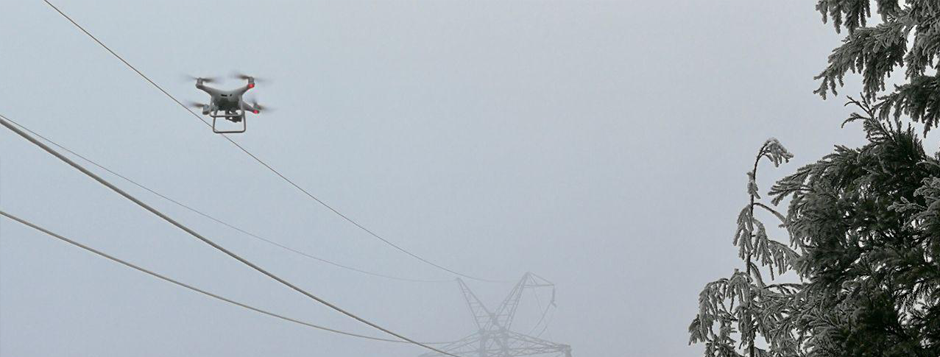
Compared with traditional Aerial photography, the low efficiency of UAV Aerial photography has become one of the main bottlenecks restricting its development. More > -
Mar 22, 2022
The 6th Jiangsu University Surveying and Mapping Geo-Information business plan competition achieved
The 6th Jiangsu University Surveying and Mapping Geo-Information business plan competition achieved full success last week. Feiyan Remote sensing participated in this event as one of the chief co-sponsors. The competition provides an excellent platform for our students, played a major role in cultivating talent of Surveying and Mapping Geo-Information application as well. More > -
Mar 22, 2022
7 Ways to Process LiDAR Data
LiDAR technology has given the spatial data industry some of the largest data volumes we’ve ever seen. Most point clouds I’ve worked with have been tens of gigabytes in size. More > -
Mar 23, 2022
Flexibility of aerial photogrammetry technology
Aerial photogrammetry is generally low altitude flight, which is easy to operate in airspace and will not be affected by extreme weather. At the same time, it is not limited to the needs of take-off and landing sites. It only needs to select a relatively flat site for take-off and landing. More > -
Jun 17, 2022
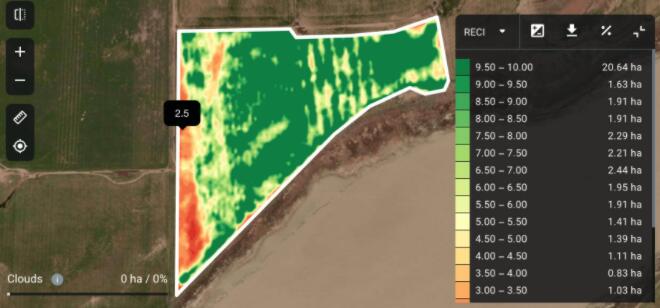
Satellite Technologies For Plant Nutrient Deficiency Identification And Treatment
Satellite Technologies For Plant Nutrient Deficiency Identification And Treatment More >