 AIMS
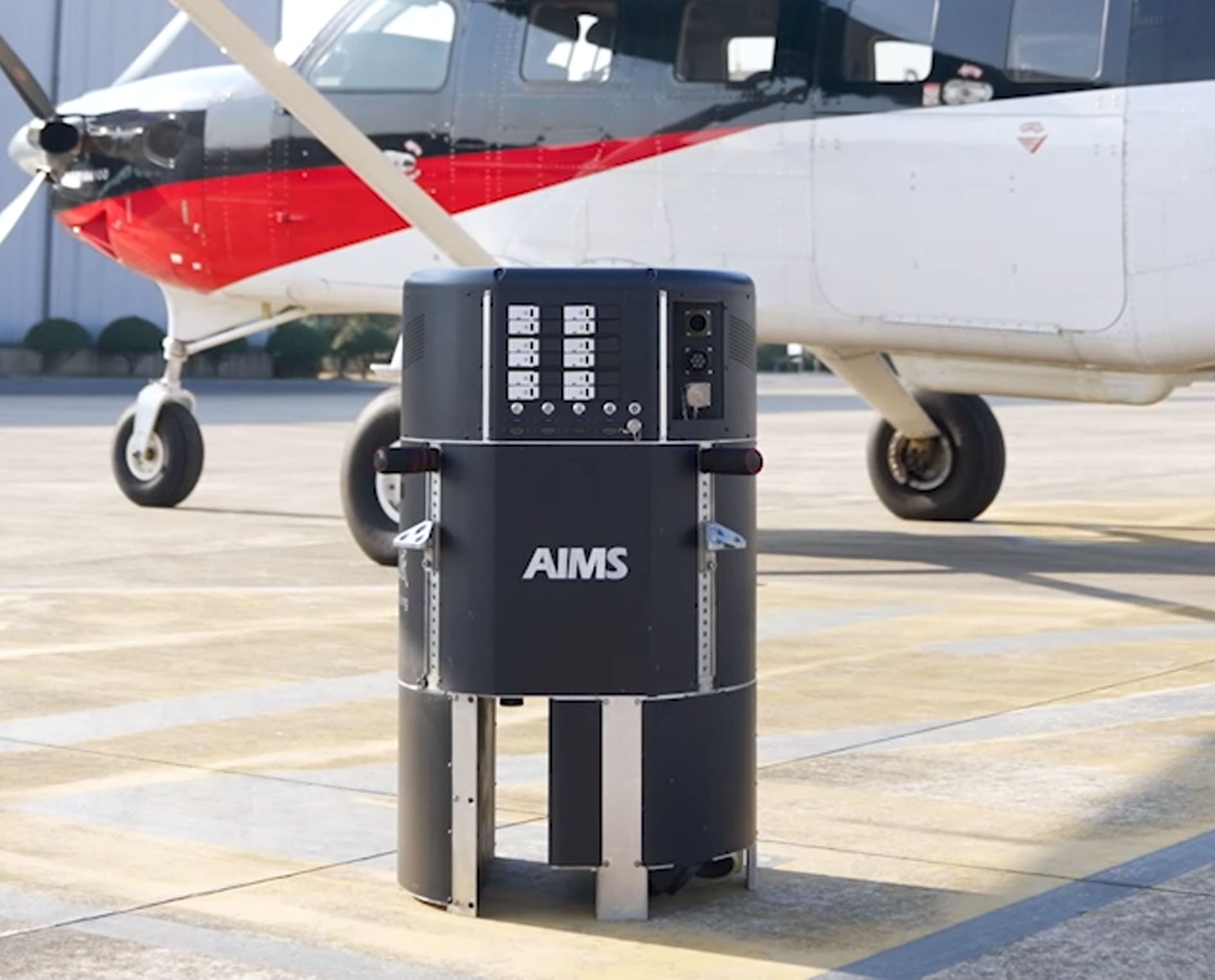
AIMS AIMS-H Long Focus
 Farsightâ„¢ System
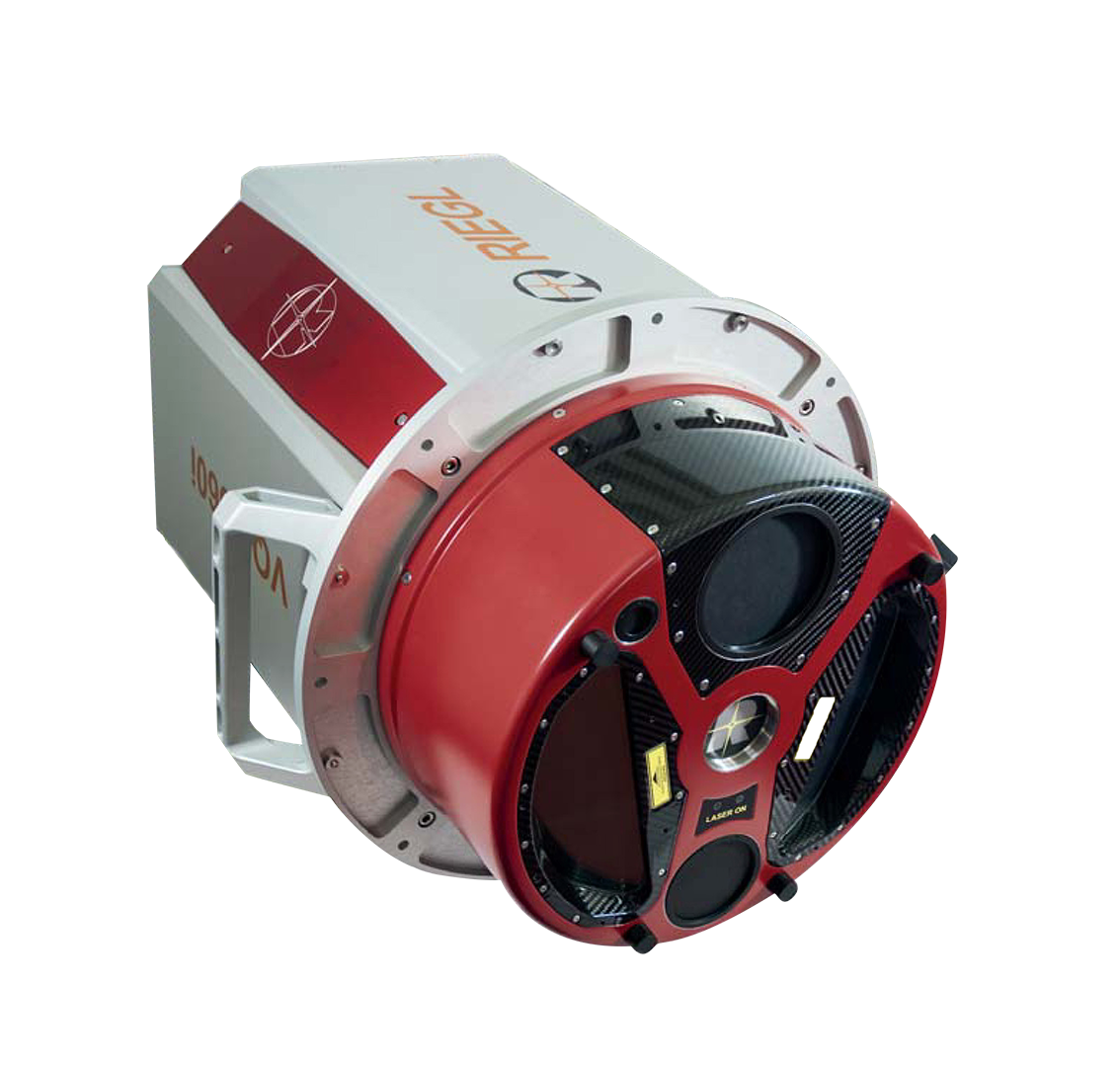
 Riegl VQ-1560i
 Riegl VQ-780II
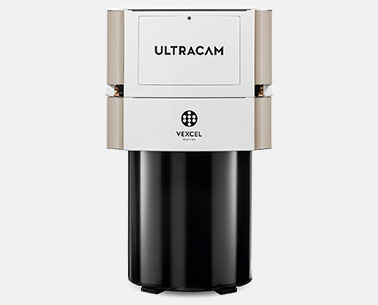 UltraCam Eagle M3
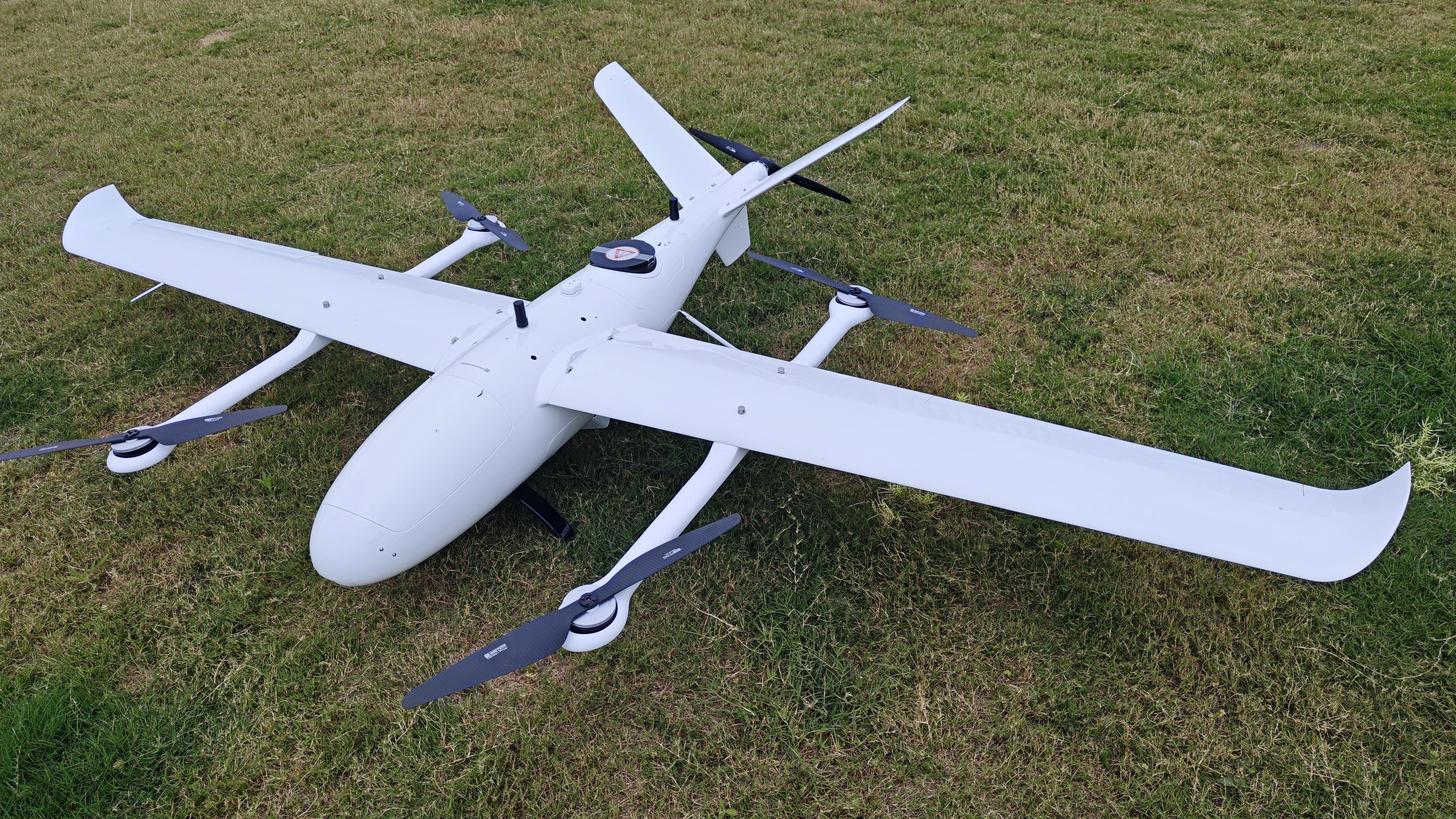
 Y-1 VTOL UAV
 Aerial Acquisition
 UAV Acquisition
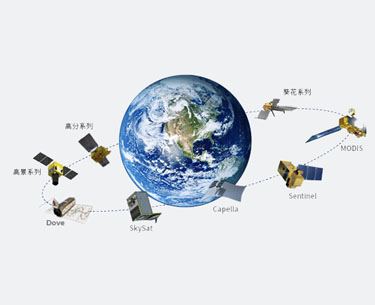 Satellite Acquisition
 Field Acquisition
 Integrated
 LiDAR
LiDAR Orthophoto
 DEM
DEM DTM/DSM
 3D Mapping
 Topographic
 Infrared
 Feature Extraction
 BIM
BIM Transportation
 Water
Water power
power  Forestry
 Agriculture
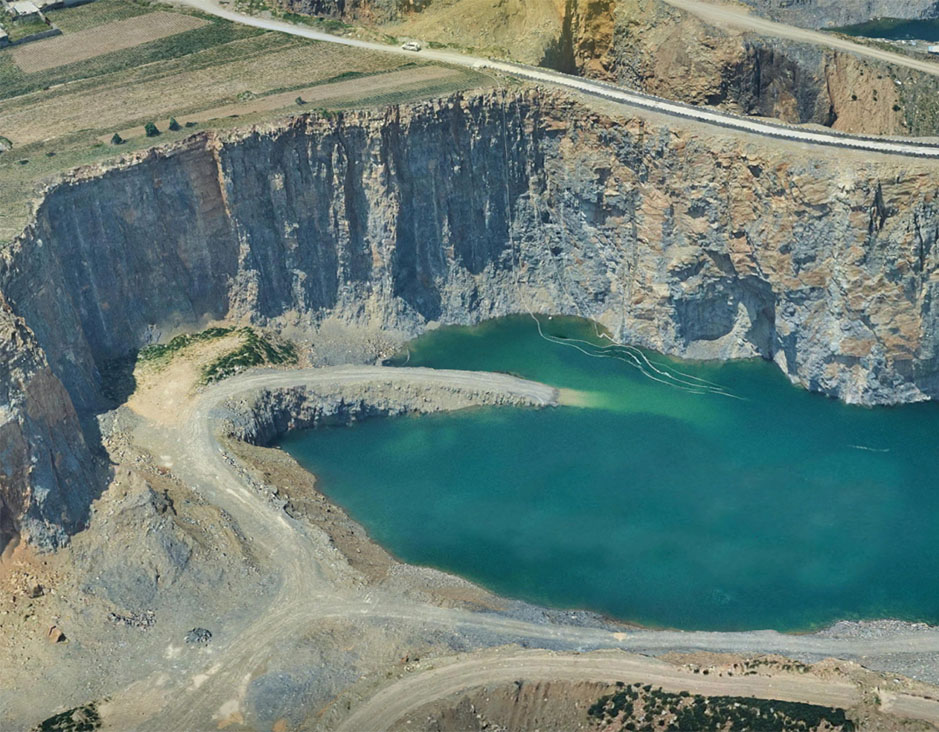 Mines & Quarries
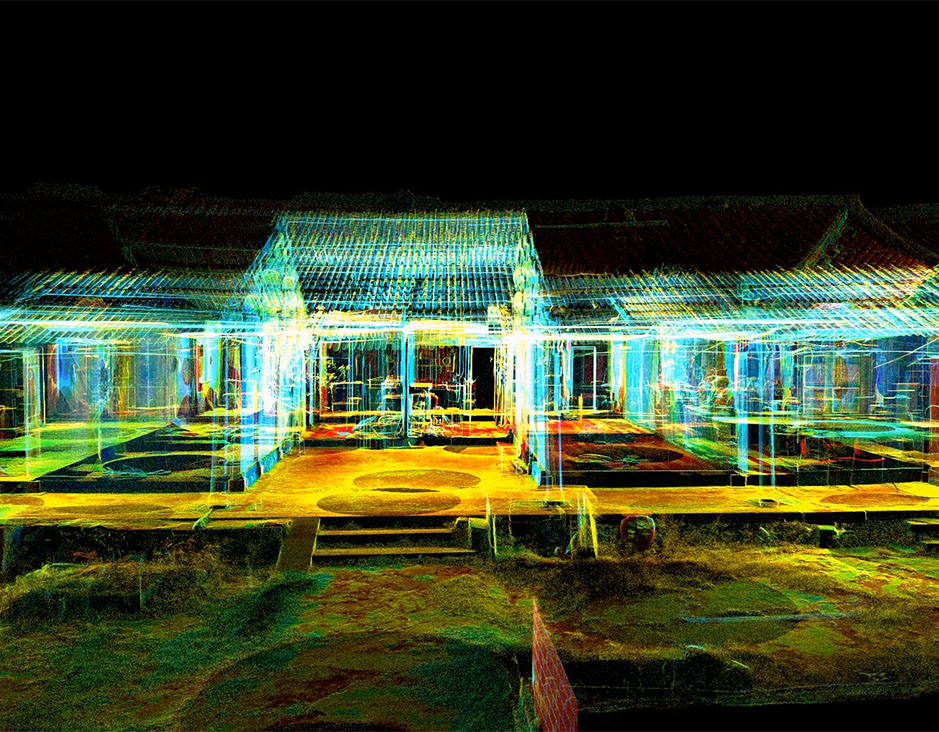 Heritage Buildings
 About feiyan
 Recognition
 Cases
Cases

search


BIM
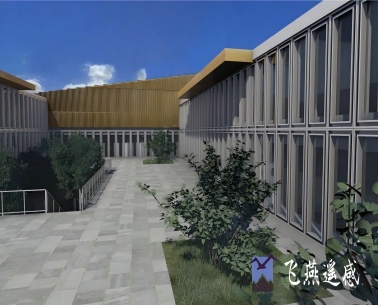
Building Information Modeling (BIM) is a digital process based on intelligent 3D models. It involves more than just creating three-dimensional graphics of a building; more importantly, it enriches the model by attaching comprehensive engineering information—such as materials, costs, performance, and construction schedules—to each component (e.g., walls, windows, pipes) and space.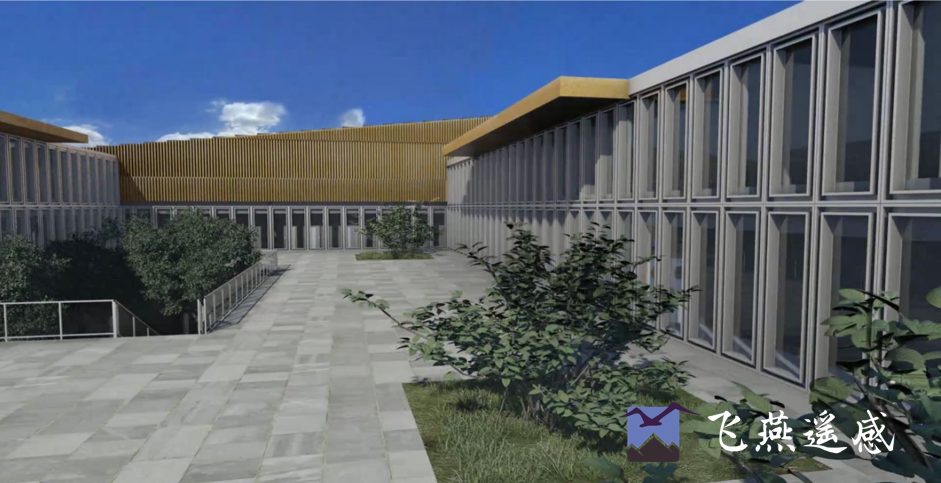
Building Information Modeling (BIM) is a new tool in the fields of architecture, engineering, and civil engineering. The term "Building Information Modeling" was coined by Autodesk. It refers to computer-aided design that is primarily three-dimensional, object-oriented, and related to architecture. This concept was originally introduced to the public by Jerry Laiserin, who promoted technologies provided by Autodesk, Bentley Systems, and Graphisoft.
The core of BIM lies in creating a virtual three-dimensional model of a construction project and utilizing digital technology to equip this model with a comprehensive repository of construction project information that is consistent with actual conditions. This repository not only includes geometric data, professional attributes, and state information of building components but also encompasses status details of non-component elements such as spaces and dynamic behaviors. By leveraging this three-dimensional model, which integrates comprehensive construction project information, the level of information integration in construction projects is significantly enhanced. This provides stakeholders involved in construction projects with a platform for exchanging and sharing engineering information.




-
 Mar 22, 2022
Utility of oblique aerial photography
With the rapid development of China's social economy, the value of real estate is increasing accordingly, which makes the country pay more and more attention to real estate surveying and mapping, and the requirements are higher and higher. More > -
Mar 22, 2022
What is tilt photography?
Tilt photography is a new and high technology developed in recent years in the field of international Remote sensing surveying and mapping. By carrying multiple sensors on the same flight platform and collecting images from different angles such as vertical and tilt, more complete and accurate information of ground objects can be obtained. More > -
Mar 22, 2022
Feiyan Remote Sensing LiDAR aerial photography project accumulates over 100,000 square kilometers
At present, airborne LiDAR technology has made great progress and has been widely used in many fields. Following the trend of technology development, feiyan Remote sensing has long been in the forefront of the industry. More > -
Mar 22, 2022
Mount Everest Elevation Measurement in 2020
On the afternoon of April 30, the first press conference of the 2020 Mount Everest elevation measurement was held at the Everest Base Camp, and the 2020 Mount Everest elevation measurement was officially launched. More > -
Mar 22, 2022
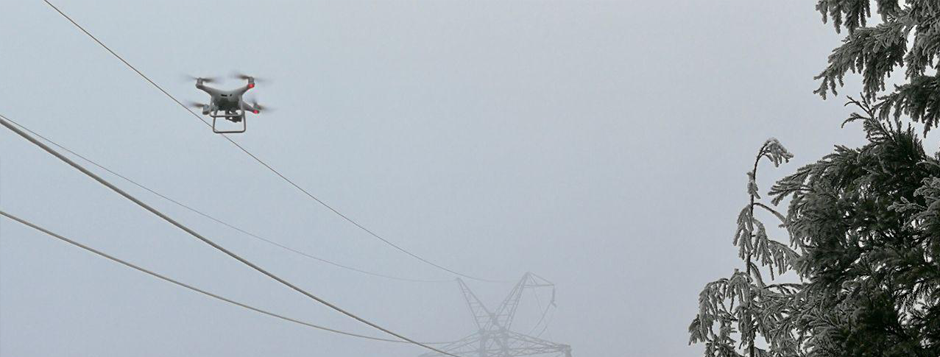
What are the restrictions on drone aerial photography?
Compared with traditional Aerial photography, the low efficiency of UAV Aerial photography has become one of the main bottlenecks restricting its development. More > -
Mar 22, 2022
The 6th Jiangsu University Surveying and Mapping Geo-Information business plan competition achieved
The 6th Jiangsu University Surveying and Mapping Geo-Information business plan competition achieved full success last week. Feiyan Remote sensing participated in this event as one of the chief co-sponsors. The competition provides an excellent platform for our students, played a major role in cultivating talent of Surveying and Mapping Geo-Information application as well. More > -
Mar 22, 2022
7 Ways to Process LiDAR Data
LiDAR technology has given the spatial data industry some of the largest data volumes we’ve ever seen. Most point clouds I’ve worked with have been tens of gigabytes in size. More > -
Mar 23, 2022
Flexibility of aerial photogrammetry technology
Aerial photogrammetry is generally low altitude flight, which is easy to operate in airspace and will not be affected by extreme weather. At the same time, it is not limited to the needs of take-off and landing sites. It only needs to select a relatively flat site for take-off and landing. More > -
Jun 17, 2022
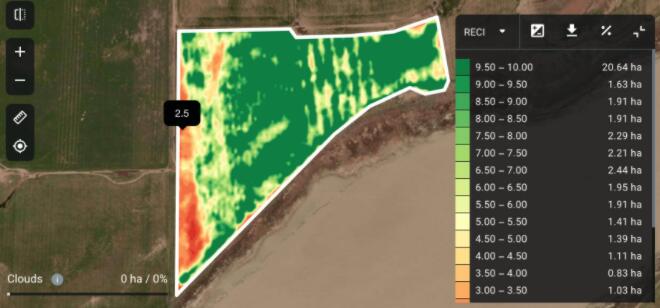
Satellite Technologies For Plant Nutrient Deficiency Identification And Treatment
Satellite Technologies For Plant Nutrient Deficiency Identification And Treatment More >