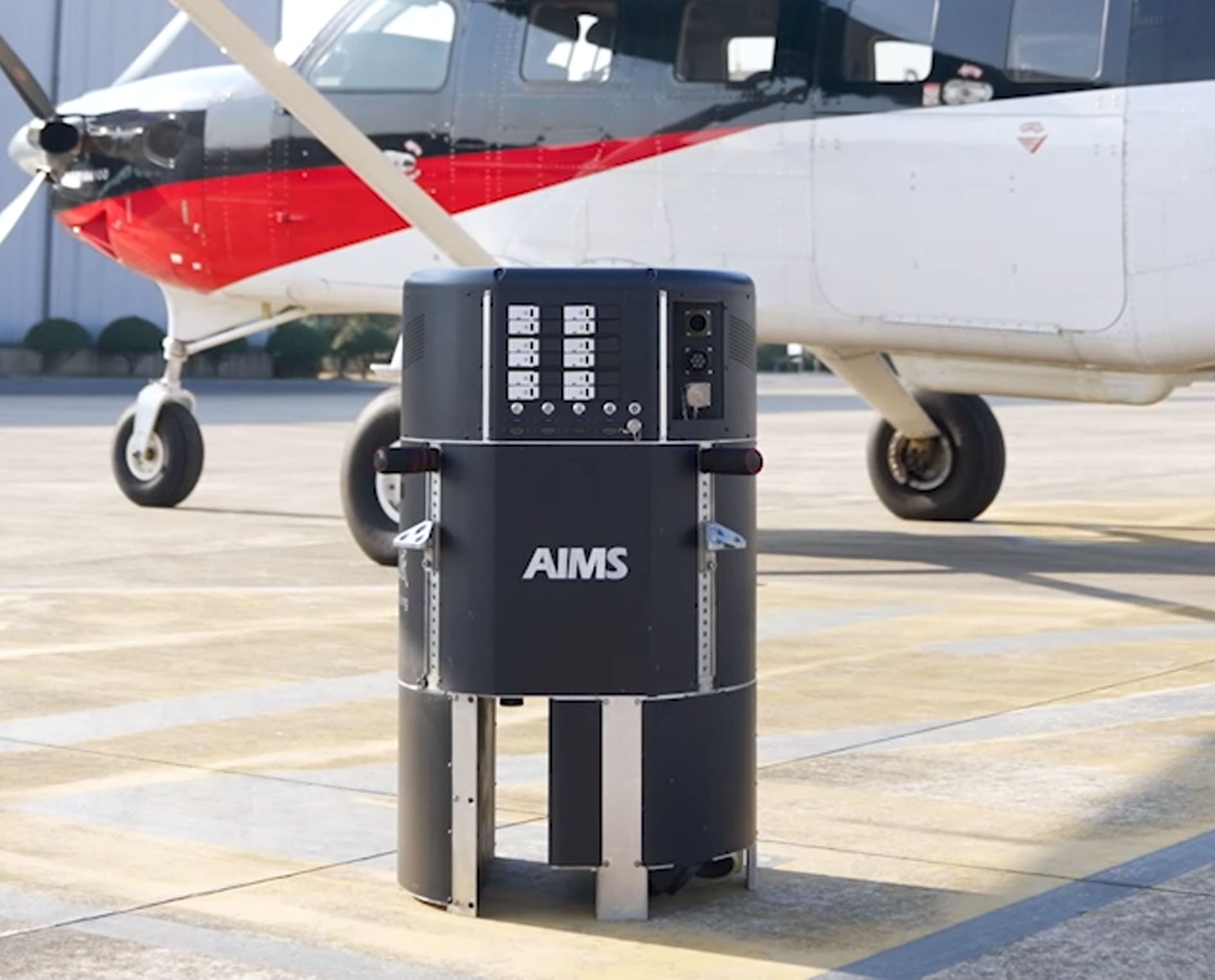
 AIMS
AIMS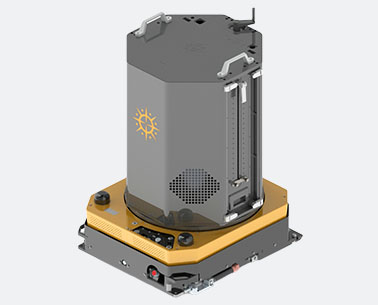 AIMS-H Long Focus
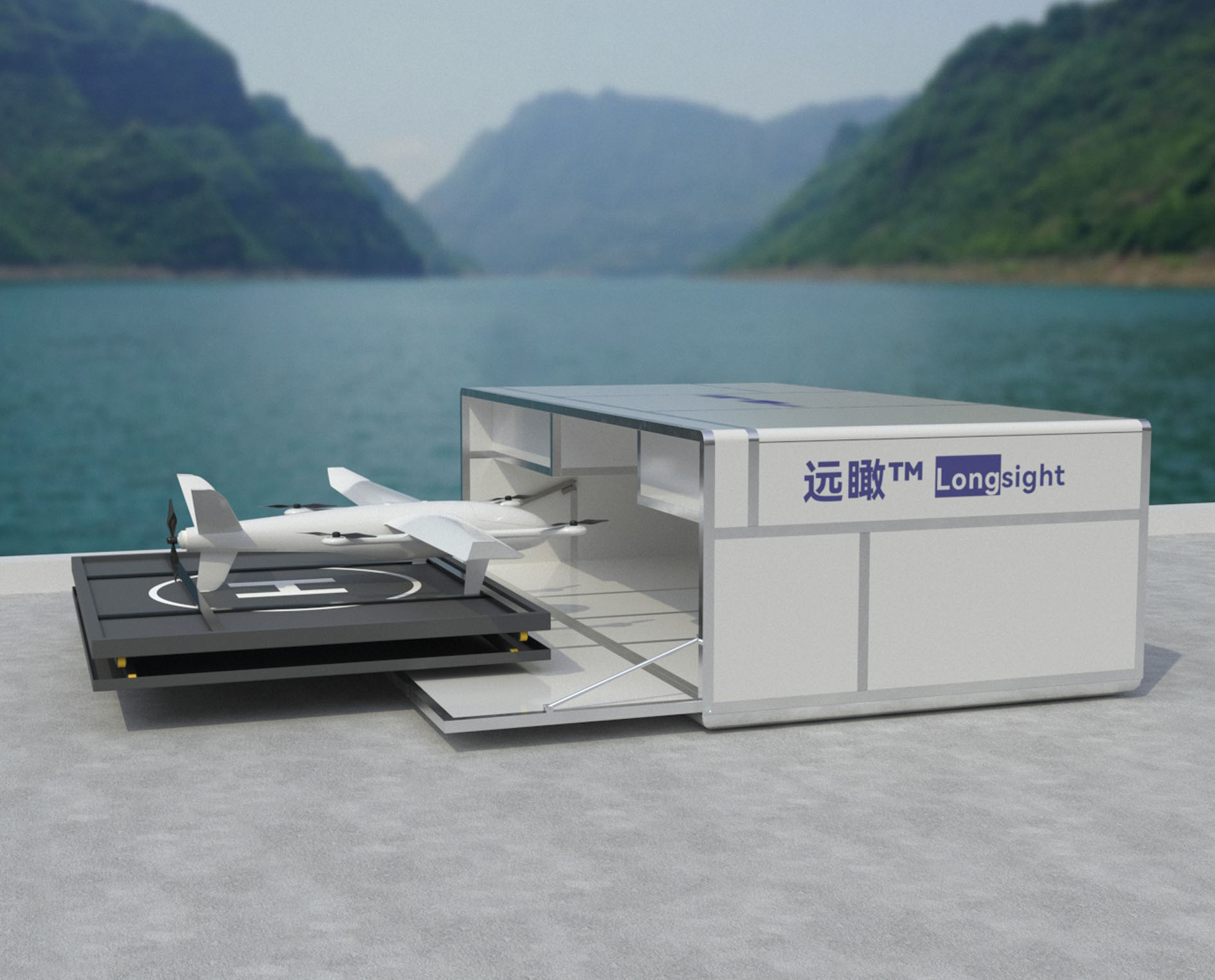 Farsightâ„¢ System
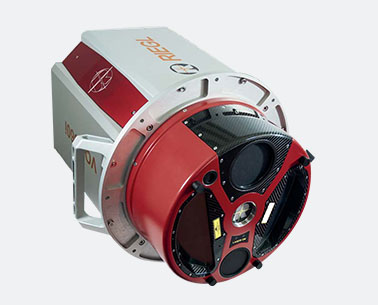 Riegl VQ-1560i
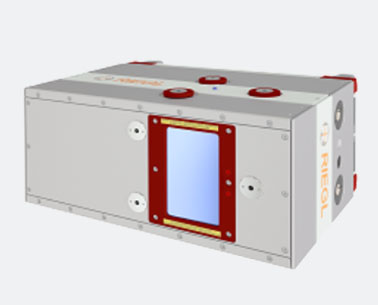 Riegl VQ-780II
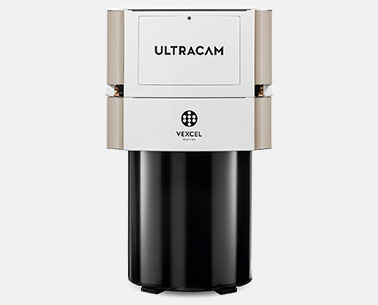 UltraCam Eagle M3
 Y-1 VTOL UAV
 Aerial Acquisition
 UAV Acquisition
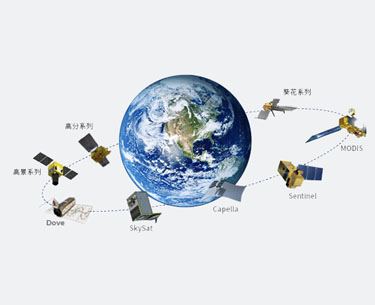 Satellite Acquisition
 Field Acquisition
 Integrated
 LiDAR
LiDAR Orthophoto
 DEM
DEM DTM/DSM
 3D Mapping
 Topographic
 Infrared
 Feature Extraction
 BIM
BIM Transportation
 Water
Water power
power  Forestry
 Agriculture
 Mines & Quarries
 Heritage Buildings
 About feiyan
 Recognition
 Cases
Cases

search


Solution

Substation & Facility Mapping
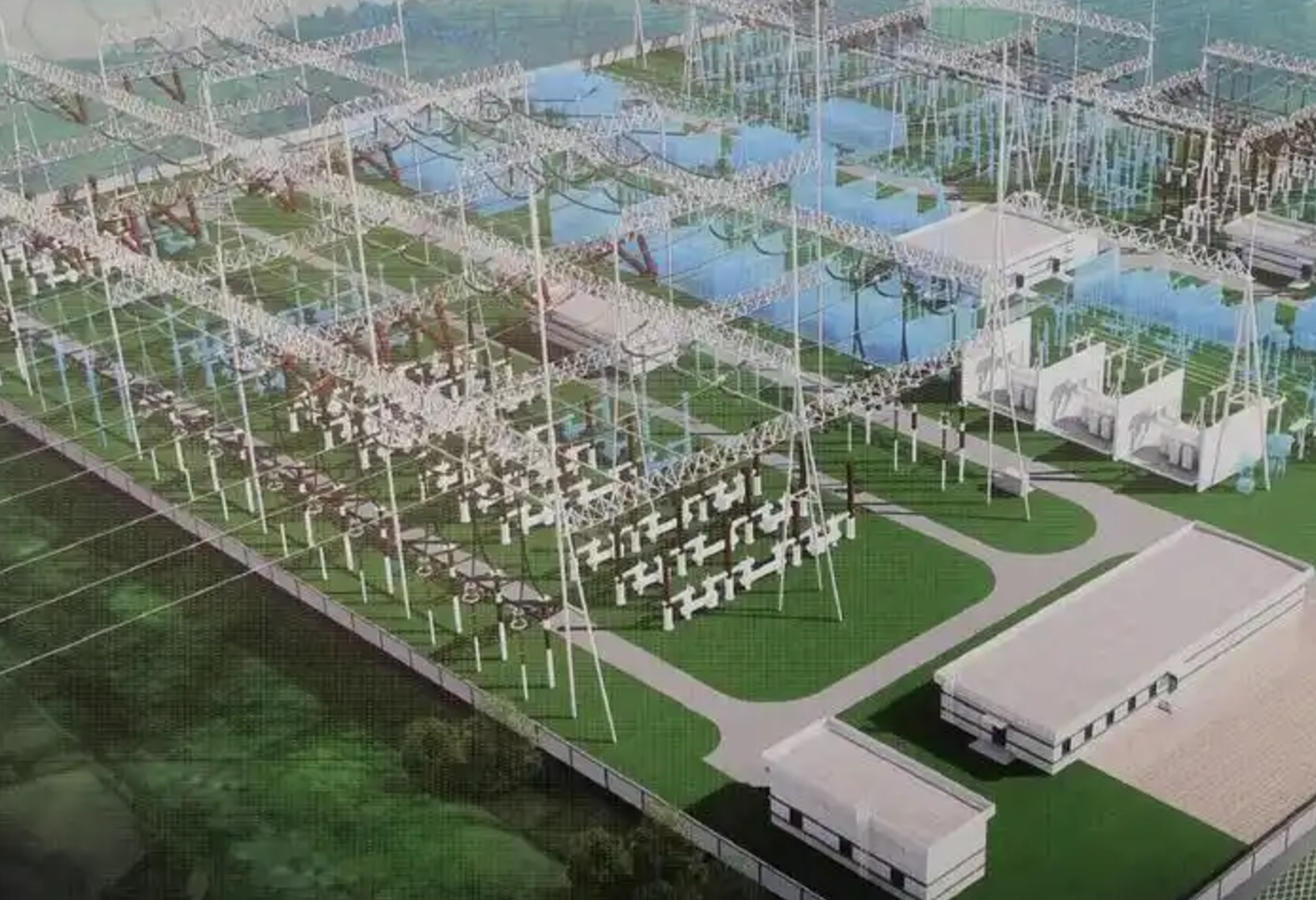
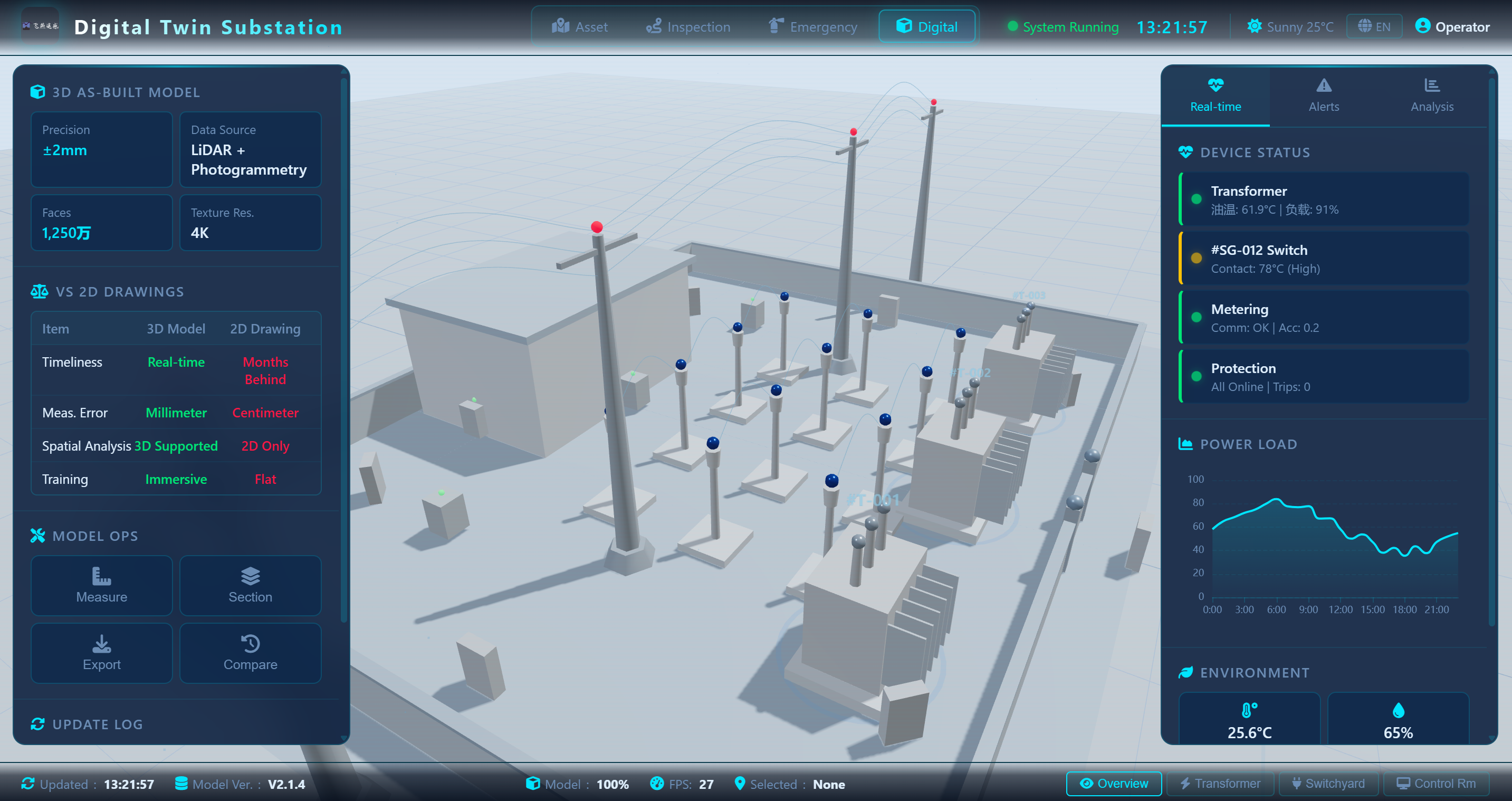
Feiyan Aerial Remote Sensing Technology Co., Ltd. delivers high-accuracy 3D digital twins of substations and critical power infrastructure using close-range LiDAR and photogrammetry. These as-built models support asset inventory, spatial analysis for expansion planning, and safety compliance audits. The virtual replicas serve as a foundational tool for facility management and simulation-based training, improving operational awareness and decision-making.
Our Differentiated Solution Framework
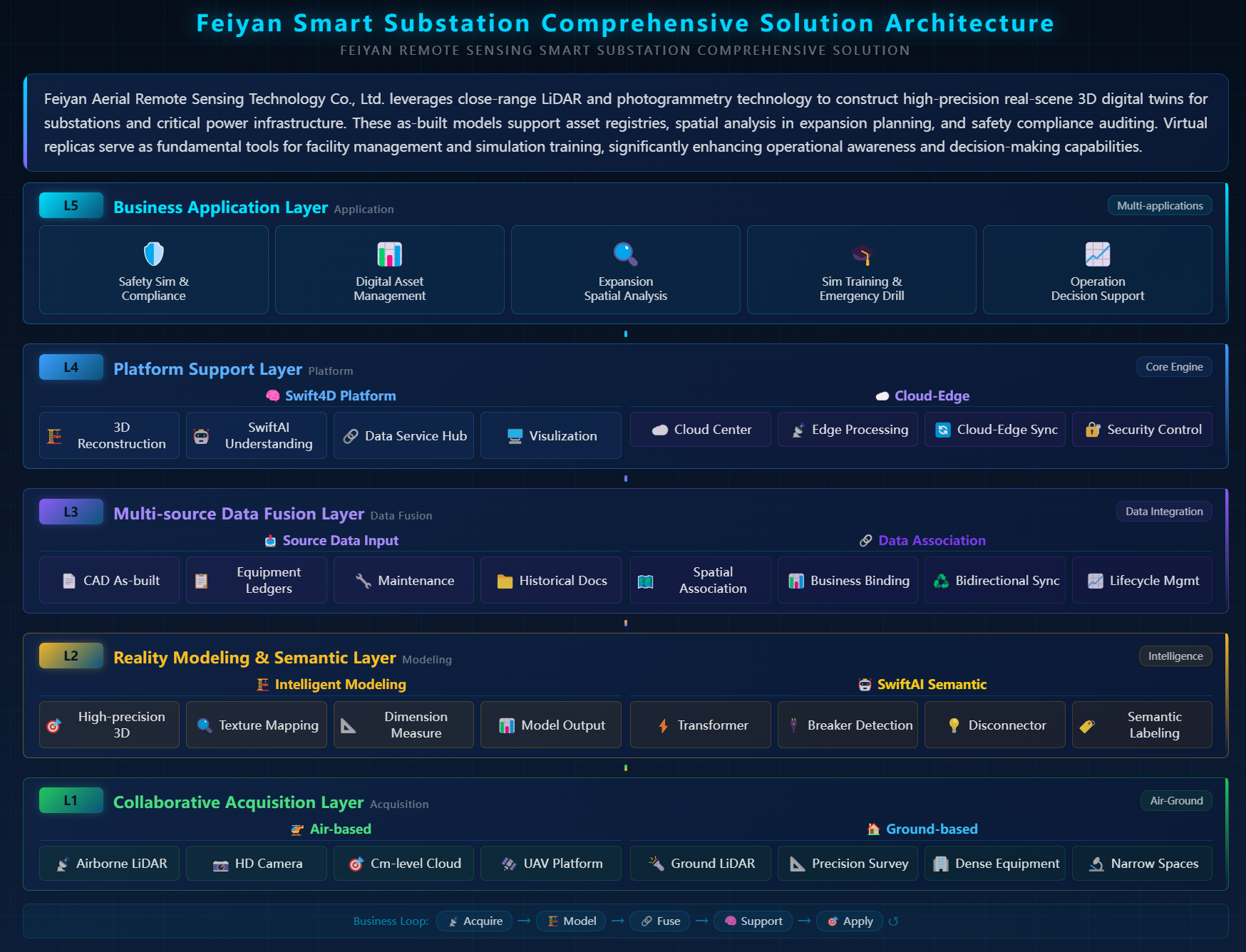
Built on the Swift4D Platform, our framework integrates close-range acquisition, high-precision modeling, and multi-scenario applications:
Y-1 & Ground LiDAR Cooperative Acquisition: UAVs equipped with LiDAR and high-resolution cameras combined with ground-based scanning capture centimeter-level point clouds and imagery, covering dense equipment and confined spaces.
Swift4D Reality Modeling & Semantic Segmentation: Automated generation of high-precision 3D models with SwiftAI for intelligent identification and semantic labeling of assets (transformers, circuit breakers, disconnectors, etc.).
Multi-Source Data Fusion & Attribute Linking: Integration of CAD as-built drawings, asset registers, and maintenance records to bi-directionally link models with operational data, supporting full lifecycle asset management.
Safety Simulation & Compliance Auditing: Simulate energized working distances, fire access routes, and inspection paths within the digital twin environment, automatically detecting clearance violations and equipment spacing hazards.
Application Scenarios & Client Value
Application Scenarios
Asset Inventory & Spatial Analysis: Precisely count equipment types, quantities, and positions to support collision detection and layout optimization for expansion.
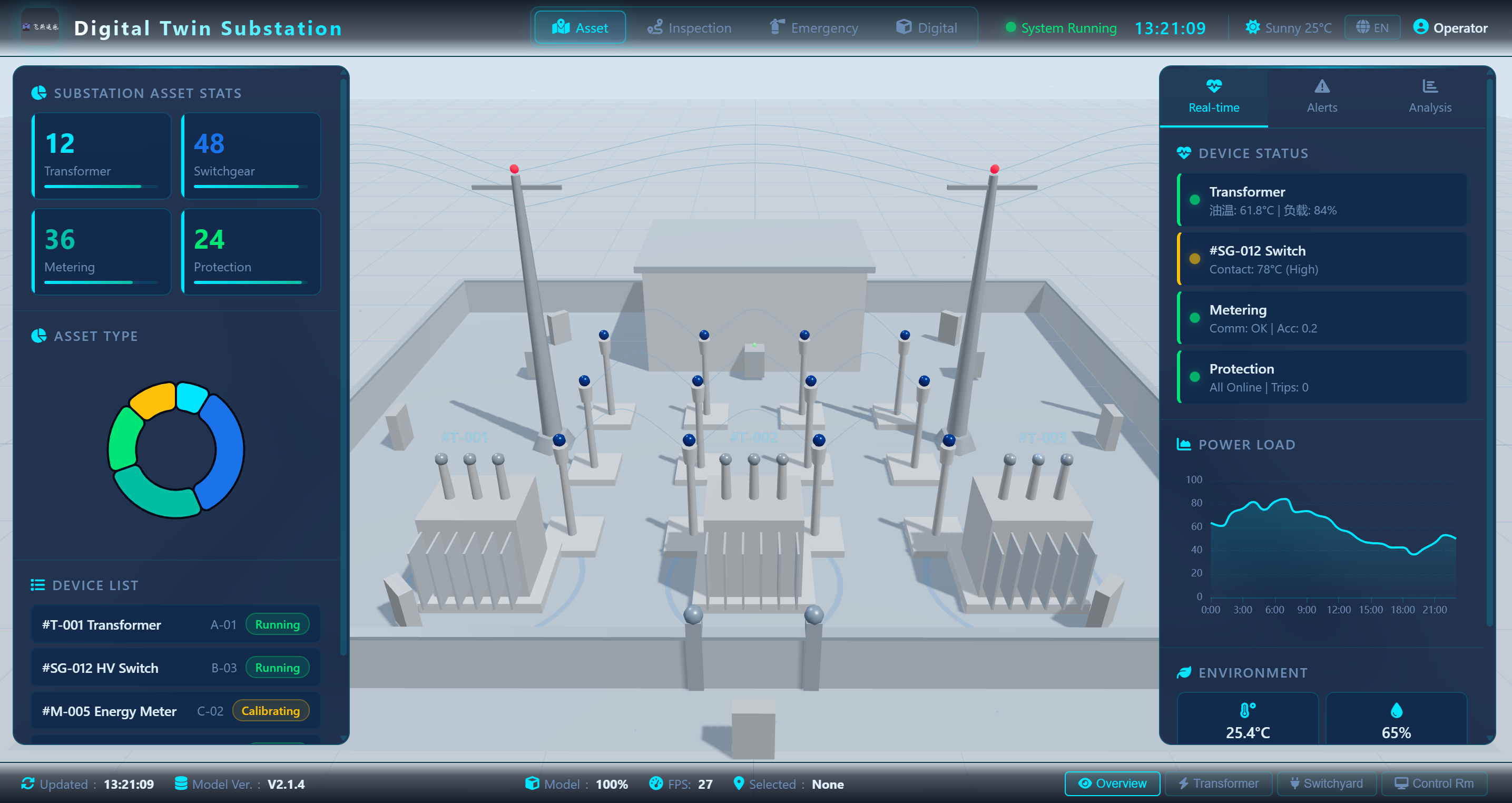
Safety Compliance Auditing: Automatically verify equipment spacing, grounding wire locations, and safety corridor widths, generating compliance reports.
Inspection Path Planning: Optimize drone and robot inspection routes based on 3D models to avoid obstacles and energized zones.
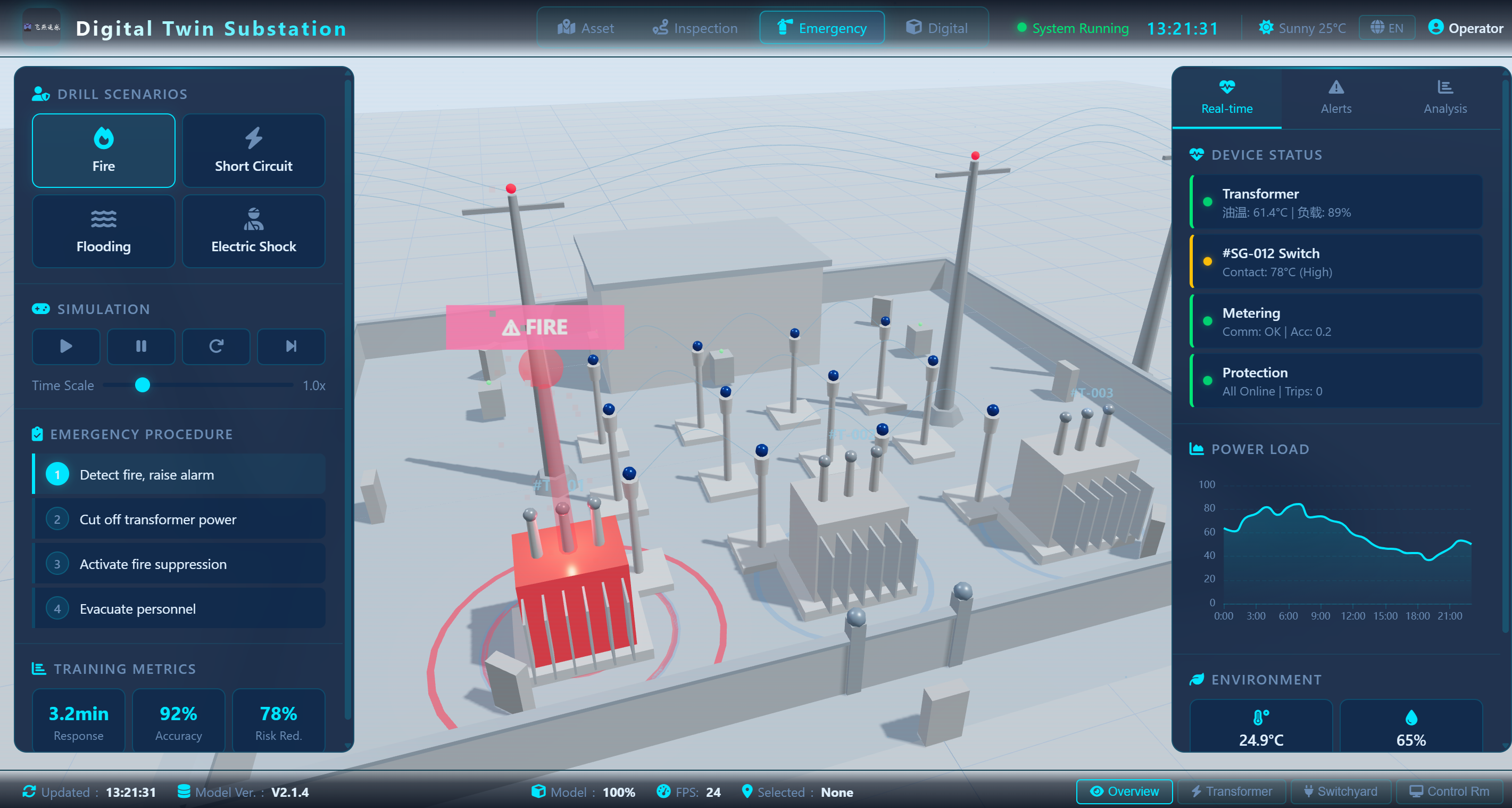
Simulation Training & Emergency Drills: Perform operational simulations, fault diagnosis, and emergency scenarios in the virtual substation, reducing on-site training risks.
Client Value
Improves Data Accuracy: As-built models replace 2D drawings, eliminating information lag and measurement errors.
Reduces Safety Risks: Pre-test work plans and emergency scenarios to avoid electric shock and equipment damage from human error.
Optimizes Expansion Efficiency: Perform collision analysis and capacity planning with precise spatial data, minimizing rework.
Supports Digital Transformation: Digital twins can be integrated into CIM and ERP systems, enabling smart grid and unmanned substation development.